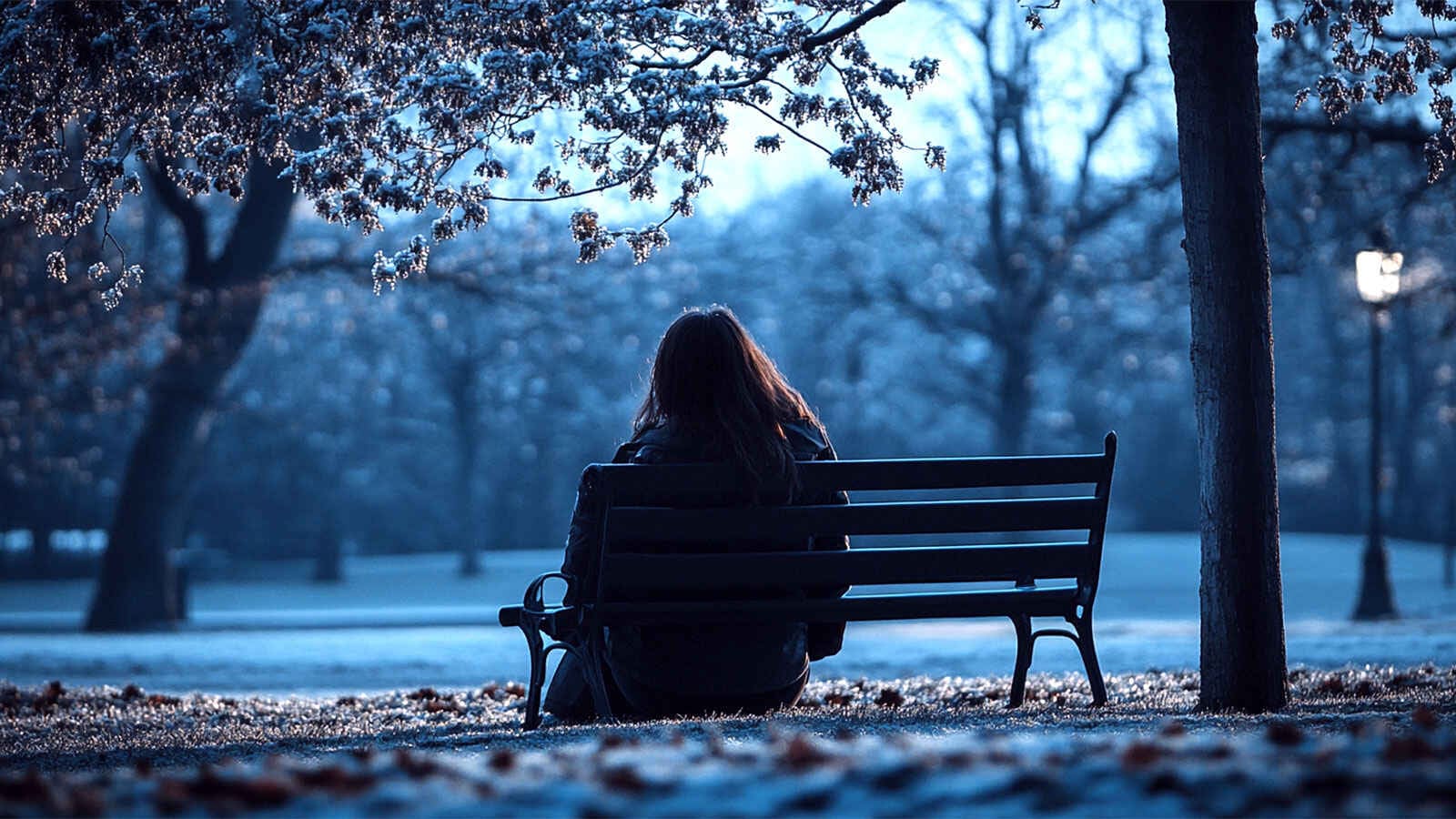
Seasonal depression is a type of depression that usually occurs during certain seasons, particularly the winter months. This condition is generally associated with reduced sunlight in winter. It begins in the same season each year and ends around the same time.
How can we recognise seasonal depression?
- Low energy
- Fatigue
- Persistent sadness
- Reduced interest in things previously enjoyed
- Sleep disturbances
- Changes in appetite
- Difficulty concentrating
- Feelings of hopelessness, worthlessness or guilt
- Thoughts of death
What causes seasonal depression?
Although the exact cause of seasonal depression is unknown, several factors may be associated with it. Reduced sunlight in winter affects the biological clock and can cause depression. A drop in serotonin levels due to reduced sunlight in winter can also cause seasonal depression.
Changes in melatonin levels, which are affected by seasonal changes, can also cause depression.
How is seasonal depression treated?
Treatment includes methods such as medication, light therapy, psychotherapy, yoga and meditation.
Recommendations for patients with seasonal depression
- Let sunlight into your living space and ensure that natural daylight enters your home regularly
- Go outside regularly, take walks and exercise