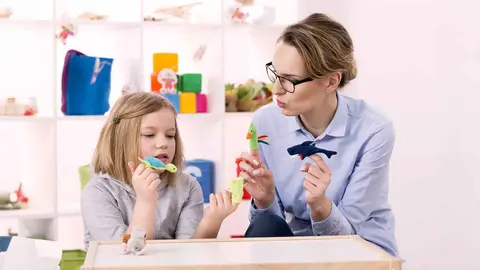
Child and adolescent counseling is a form of therapy that supports young people’s emotional, social, and psychological development and helps them develop skills to cope with the challenges they face.
This process aims to help children and adolescents understand their difficulties and build healthy relationships.
During counseling, counselors commonly use methods such as play therapy, art therapy, and individual psychotherapy. They also work with families to help bring about positive changes at home and at school.
What are the most common psychological difficulties among children and adolescents?
Anxiety disorders, depression, test anxiety, performance anxiety, social anxiety, behavioral problems, and learning difficulties are common in these age groups.
Seeking professional support for mental health difficulties in these age groups is very important to prevent problems from becoming chronic and having long-term negative effects.
If children and adolescents do not receive support for mental health problems, these may lead to problems in the future such as chronic mental disorders, impaired functioning, alcohol and substance use disorders, impulse control disorders, personality disorders, or post-traumatic stress disorder.
How should parents approach their children about these issues?
Parents must create a safe space for their children where they can express themselves openly without fear or worry about being judged.
Parents should not see their children as ‘extensions of themselves who will fulfill their own unrealized dreams’, but should recognize them as independent individuals and act in ways that support their personal development.
If parents notice signs such as irritability, withdrawal, sleep or appetite problems, behavioral changes, or declining school performance in their child, they should discuss their concerns and the reasons for them without judgment, with an accepting, empathetic attitude, and seek support from a mental health professional.