
🌟 A modern, drug-free way to regain your mental health! 🌟
TMS (transcranial magnetic stimulation) is a promising, scientifically proven treatment for conditions such as depression and anxiety that do not respond to medication. Improve your mood by regulating your brain activity with magnetic pulses and move forward with a more positive outlook on life. Side effects are minimal, and it does not disrupt your daily life. Get ready for change now!
TMS (transcranial magnetic stimulation) is a drug-free, painless method that offers an effective solution for treating many neuropsychiatric conditions, particularly depression, anxiety and obsessive-compulsive disorder (OCD). It helps improve mood by regulating brain activity with magnetic pulses. It is FDA-approved and has minimal side effects.
Contents;
- What Is TMS Treatment? How Is It Administered?
- Which Conditions Is TMS Treatment Used For?
- Who Is TMS Treatment Suitable For?
- Who Is TMS Treatment Not Suitable For?
- TMS Treatment for Autism
- Theta Burst Treatment for Autism
- TMS Treatment for Addiction
- What Are the Differences Between TMS Treatment and Medication?
- Is TMS Treatment Safe? Does It Have Side Effects?
- Are the Effects of TMS Treatment Permanent? How Long Does It Take to Work?
- TMS Treatment Costs and Session Lengths
- How Does TMS Treatment Affect Depression and Anxiety?
- What Is Deep TMS?
- What Is Theta Burst Stimulation (TBS) Treatment?
- Patient Selection for TMS Treatment
- How Does TMS Treatment Differ from ECT?
- What Is Neuronavigated rTMS?
What Is TMS Treatment? How Is It Administered?
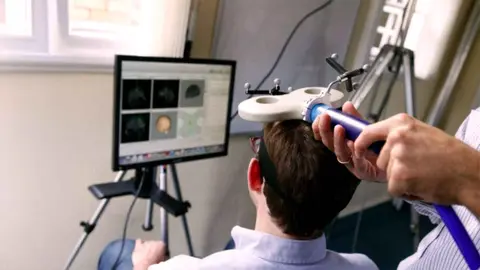
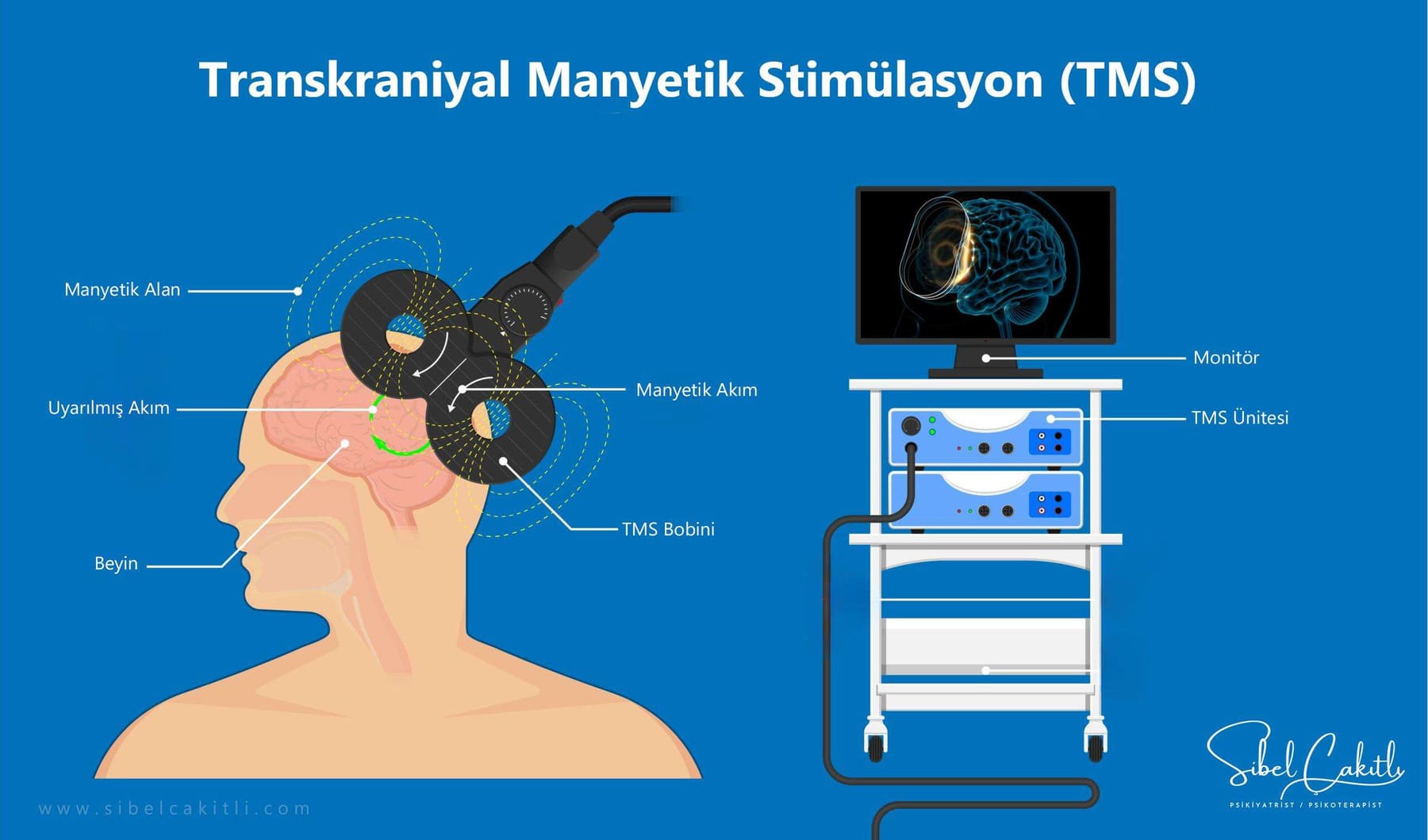
Various approaches are used today to treat psychiatric conditions. Alongside medication and psychotherapies, transcranial magnetic stimulation (TMS) stands out as an effective and safe method for treating many neuropsychiatric conditions, particularly treatment-resistant depression. So, what is TMS treatment and how is it administered? Let us look at this in detail.
Which Conditions Is TMS Treatment Used For?
TMS treatment is used as a promising method for treating many neuropsychiatric and neurological conditions. It may be an effective alternative, particularly for patients who do not respond to medication. Below, let us examine in detail the conditions for which TMS is most commonly used.
Conditions for Which TMS Is Effective:
📌 Treatment-Resistant Depression: TMS is an effective method, particularly for major depression and treatment-resistant depression. In patients who do not benefit from antidepressant medication, FDA-approved depression coils are used to regulate brain activity and may relieve symptoms.
📌 Anxiety Disorder: TMS may provide relief by balancing the brain regions involved in anxiety in conditions such as generalized anxiety disorder, social anxiety and panic disorder. With FDA-approved anxiety coils, treatment focuses on the correct brain regions to achieve maximum effectiveness.
📌 Obsessive-Compulsive Disorder (OCD): TMS may have positive effects on obsessive thoughts and compulsive behaviors. It helps reduce OCD symptoms by targeting specific areas of the brain. Treatment administered with FDA-approved OCD coils is planned individually to achieve the best results.
📌 Post-Traumatic Stress Disorder (PTSD): TMS may help relieve symptoms in patients with PTSD by regulating anxiety, depression and fear responses that develop after trauma.
📌 Migraine and Chronic Pain: TMS has the potential to relieve pain in migraine and chronic pain syndromes by regulating pain signals in the brain.
📌 Parkinson’s Disease: TMS may help reduce symptoms such as movement disorders and muscle stiffness. It may contribute to improved motor function in patients with Parkinson’s disease.
📌 Alzheimer’s Disease: TMS has the potential to slow memory loss. It may improve patients’ cognitive performance by supporting memory function.
📌 Stroke Rehabilitation: In patients who have had a stroke, TMS may increase brain plasticity to support the recovery of motor skills.
📌 Schizophrenia: TMS may relieve negative symptoms and may help reduce delusions and auditory hallucinations in some patients.
📌 Addiction Treatment: Recent research shows that TMS may regulate the brain’s reward system in patients with alcohol and substance dependence, behavioral addictions (gambling, etc.) and tobacco dependence, helping to bring addiction under control.
📌 Attention-Deficit/Hyperactivity Disorder (ADHD): TMS may reduce difficulties with attention and concentration and improve cognitive function.
📌 Neuropathic Pain: For pain caused by nerve damage, TMS may reorganize neural pathways to reduce the sensation of pain.
Who Is TMS Treatment Suitable For?
TMS treatment is particularly recommended for the following conditions:
- Treatment-Resistant/Major Depression: An alternative treatment for patients with treatment-resistant depression who do not respond to medication and psychotherapies, patients who do not tolerate medication well, cannot take it for various reasons or do not wish to take it, or some patients with depression to enhance the effect of medication.
- Anxiety Disorders: Positive results may be achieved, particularly in anxiety disorders and panic attacks.
- Obsessive-Compulsive Disorder (OCD): TMS may help relieve OCD symptoms.
- Patients with Addiction: It may help treat alcohol, substance and tobacco dependence and behavioral addictions.
- Schizophrenia and Bipolar Disorder: It is used particularly during depressive episodes and to reduce negative symptoms.
- Chronic Pain Syndromes: It may provide relief for chronic pain conditions such as fibromyalgia.
Who Is TMS Treatment Not Suitable For?
As with any medical method, TMS treatment may not be suitable for everyone. It is particularly not recommended for people with the following conditions:
- People with metal implants or shunts in the brain
- Patients with a pacemaker or an electronic medical device in their body
- Patients with epilepsy (a neurological assessment is required first due to the risk of seizures; treatment may be administered with a neurologist’s approval)
- People with severe psychiatric conditions (other treatments are preferred first when psychotic symptoms are present)
TMS Treatment for Autism
TMS (transcranial magnetic stimulation) treatment is a significant source of hope not only for mental health problems such as depression and anxiety, but also for people with autism spectrum disorder (ASD). By strengthening communication between nerve cells in the brain, TMS may have positive effects on social interaction, language skills and repetitive behaviors. Research shows that magnetic stimulation applied to specific brain regions supports attention, learning and emotional regulation.
However, TMS must be considered as part of a holistic approach to achieve the most effective results! ***TMS alone is not a sufficient treatment for autism.***There is currently no treatment in the world that can eliminate autism on its own. The most effective approach is to combine TMS with supportive methods such as special education, sensory integration therapy, occupational therapy, Floortime therapy, play therapy, Attentioner attention training, early childhood intervention training for autism symptoms, dyslexia education programs and family psychoeducation.
‼️ Remember; TMS is only truly successful when integrated into a comprehensive, multidisciplinary treatment plan.
Developing a plan tailored to individual needs, combined with medication when necessary, plays a vital role in maximizing the development of people with autism.
👉 There is no single miracle solution for treating autism, but progress is possible when the right therapies are combined!
Theta Burst Treatment for Autism
Theta burst stimulation (TBS) is a faster and more effective version of TMS that is attracting attention, particularly in autism treatment. This method delivers a strong effect in a short time and may improve cognitive function by enhancing the brain’s capacity for neuroplasticity. TBS has the potential to improve social communication skills, reduce sensory sensitivities and promote behavioral flexibility in people with autism. This technique can be administered quickly, making faster results possible and offering an alternative treatment option for people with autism.
TMS Treatment for Addiction
TMS (transcranial magnetic stimulation) treatment stands out as a promising method for treating addiction. In conditions such as substance, alcohol, tobacco and technology addiction, it may reduce addiction-related impulses and cravings by acting on the brain’s reward and motivation system. However, TMS alone is not sufficient for addiction treatment; it must be used within a multidisciplinary approach, alongside other scientific methods.
The most effective approach to alcohol and substance dependence and other behavioral addictions begins with the patient undergoing MRI, EEG, qEEG (brain mapping) and comprehensive blood and urine tests. Based on these analyses, the following should be tailored to the individual:
✅ Detoxification treatment
✅ Psychotherapy
✅ Medication adjustment
✅ TMS treatment
✅ Family psychoeducation and, when necessary, family therapy
✅ Social observation and rehabilitation (nature walks, artistic and social activities, etc.)
and combined to create an individualized treatment plan.
✨✨✨ One of the most important aspects of addiction treatment is that all TMS sessions are administered using cue-induced TMS with a psychologist present.
In this method, the psychologist guides a process that triggers a brain response to the addictive substance or behavior:
🔹 The patient is shown images related to the substance, alcohol or gambling they are addicted to, or is asked to imagine it.
🔹 This process activates the brain region that controls the addictive urge.
🔹 TMS pulses are applied to the relevant brain region at this precise moment, weakening the neural connections that cause addiction.
This technique may help strengthen the person’s self-control by reshaping brain circuits associated with addiction. As a drug-free, painless and FDA-approved method, TMS provides effective, complementary support in overcoming addiction.
What Are the Differences Between TMS Treatment and Medication?
Medication and TMS are widely used to treat depression and anxiety. However, both methods have advantages and disadvantages.
| Feature | TMS Treatment | Medication |
| Side Effects | Mild and temporary (headache, tenderness) | Weight gain, stomach problems, sleep disturbances |
| Risk of Dependence | None | Some medications used in treatment can cause dependence. |
| Time to Take Effect | 2-4 weeks | 6-8 weeks |
| Long-Term Effect | May be longer-lasting | Symptoms may return when medication is stopped |
| Is Daily Use Required? | 4-6 consecutive weeks | Yes |
How Many Minutes Does a TMS Treatment Session Last?
Each TMS treatment session typically lasts 20-40 minutes. The duration of treatment is determined by the patient’s needs and diagnosis. A program of 20-30 sessions, usually once a day, is generally administered over a total of 4-6 weeks. Some patients may need additional sessions to increase the effectiveness of treatment.
What Should You Keep in Mind After TMS Treatment?
Here are some points patients should keep in mind after TMS treatment:
- Returning to Daily Life: Because TMS is a non-invasive (non-surgical) method, patients can return to their daily activities immediately after treatment.
- Awareness of Side Effects: Side effects such as a mild headache, dizziness or scalp tenderness may occur, but they are generally mild and temporary.
- Commitment to Treatment: The recommended session schedule should be followed to get the maximum benefit.
- Medical Follow-Up: Regular medical check-ups are needed to assess whether treatment is effective.
Is TMS Treatment Safe? Does It Have Side Effects?
In general, TMS treatment is an FDA-approved, safe and well-tolerated method. However, some mild side effects may occur.
Possible Side Effects of TMS Treatment
🔹 Mild headache: This may occur briefly after a session.
🔹 Scalp tenderness: This is a temporary effect caused by magnetic stimulation.
🔹 Dizziness: This may occur in rare cases.
🔹 Mild muscle twitching: Some patients may experience this during treatment.
🔹 Risk of seizures: The likelihood is very low, but caution is needed in patients with a history of epilepsy.
Are the Effects of TMS Treatment Permanent? How Long Does It Take to Work?
TMS treatment generally begins to take effect within the first 2-3 weeks. However, a complete course of treatment lasting 4-6 weeks is recommended to achieve full recovery.
Treatment Process and Results
📌 An average of 20-30 sessions are administered.
📌 The initial effects are generally felt by the 2nd week.
📌 The recommended protocol should be followed for full benefit.
📌 Maintenance sessions may be recommended to make the effects last longer after treatment.

Can Depression Return After TMS?
Depression can be a recurrent illness, but TMS treatment provides long-term relief for a large proportion of patients.
📌 Booster sessions can extend the duration of the effects. Maintenance sessions may be necessary in some cases.
📌 Long-term results can be achieved with lifestyle changes and psychotherapy support.
📌 Long-term improvement has been observed in more than 50% of patients.
TMS Treatment Costs and Session Lengths
TMS treatment is planned individually, with session lengths and treatment schedules that vary according to the person’s needs. Treatment duration and costs may vary depending on many factors.
Factors Affecting the Cost of TMS Treatment
🔹 Treatment duration and number of sessions: The longer treatment continues, the higher the total cost may be.
🔹 The clinic or hospital providing treatment: Prices may differ between private hospitals, clinics and academic medical centers.
🔹 The doctor’s level of expertise: The cost of TMS treatment administered by specialist doctors may vary depending on their experience.
🔹 The TMS device used: Costs may differ between standard TMS and deep TMS (d-TMS) devices.
🔹 The patient’s health status: Treatments tailored to individual needs may fall within different price ranges.
Session Lengths and Scheduling
📌 A standard TMS protocol generally consists of 20-30 sessions.
📌 Sessions are administered 1 time a day, 5 days a week.
📌 Each session lasts 20-40 minutes.
📌 Additional sessions may be recommended depending on the patient’s response to treatment.
📌 Some patients may have additional, booster or maintenance sessions, particularly for chronic conditions such as depression and anxiety.

How Does TMS Treatment Affect Depression and Anxiety?
TMS is a drug-free brain stimulation method that has been proven effective for depression and anxiety disorders. So, how does it work?
Mechanism of Action in the Brain
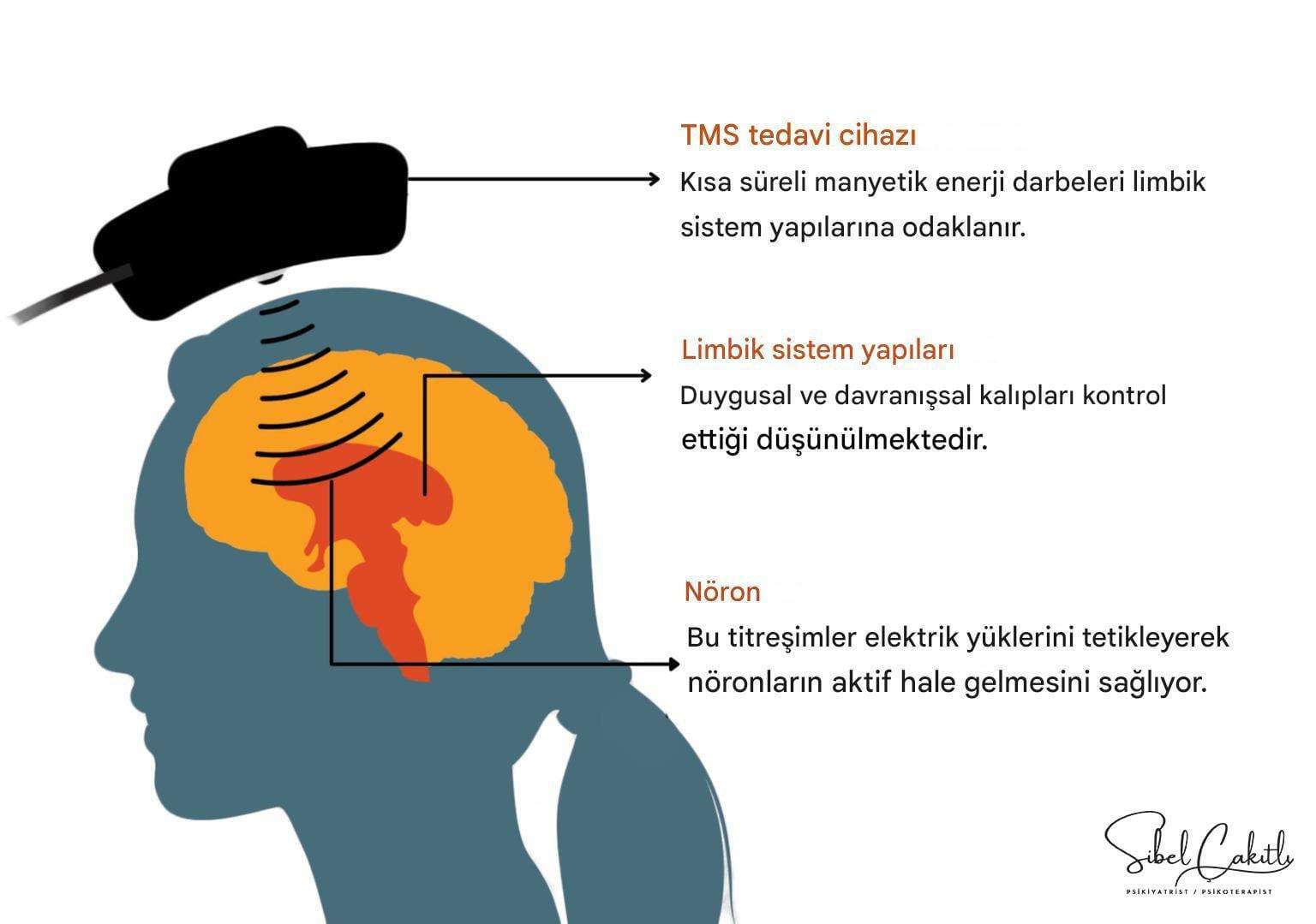
🔹 TMS strengthens communication between brain cells (neurons).
🔹 It stimulates the prefrontal cortex, increasing the release of chemicals that regulate mood (dopamine, serotonin).
🔹 It helps provide relief by regulating activity in the brain regions that manage anxiety.
🔹 It relieves symptoms by rebalancing brain circuits in patients with depression who do not respond to medication.
What Is Deep TMS?
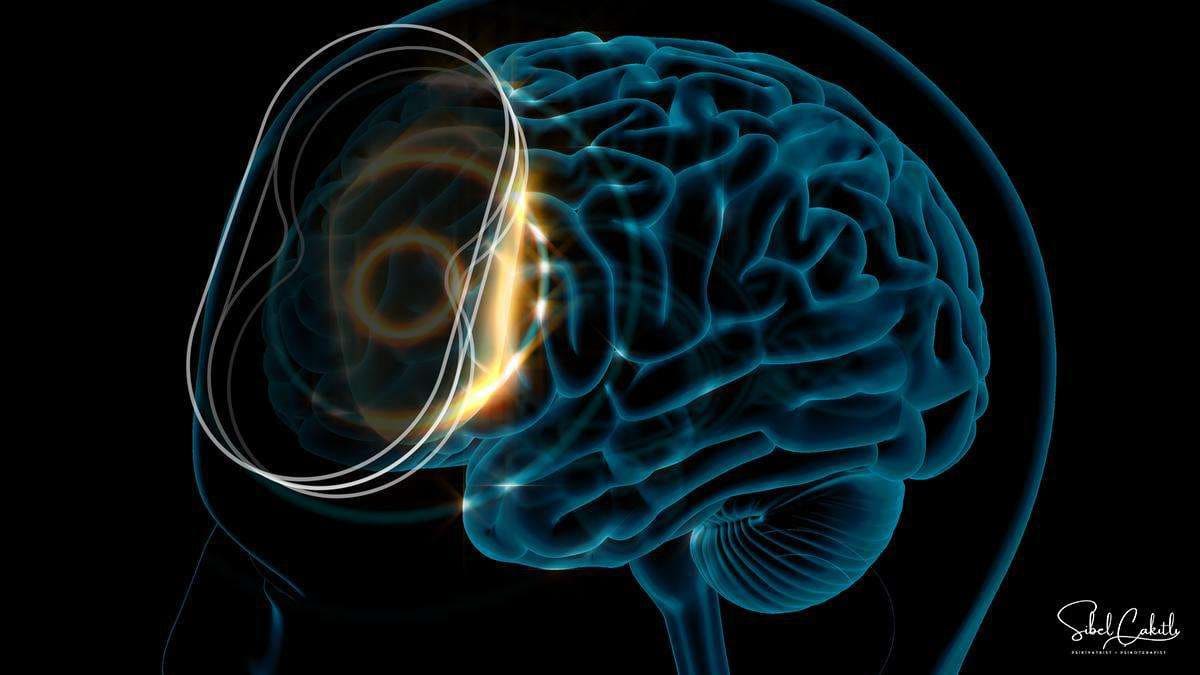
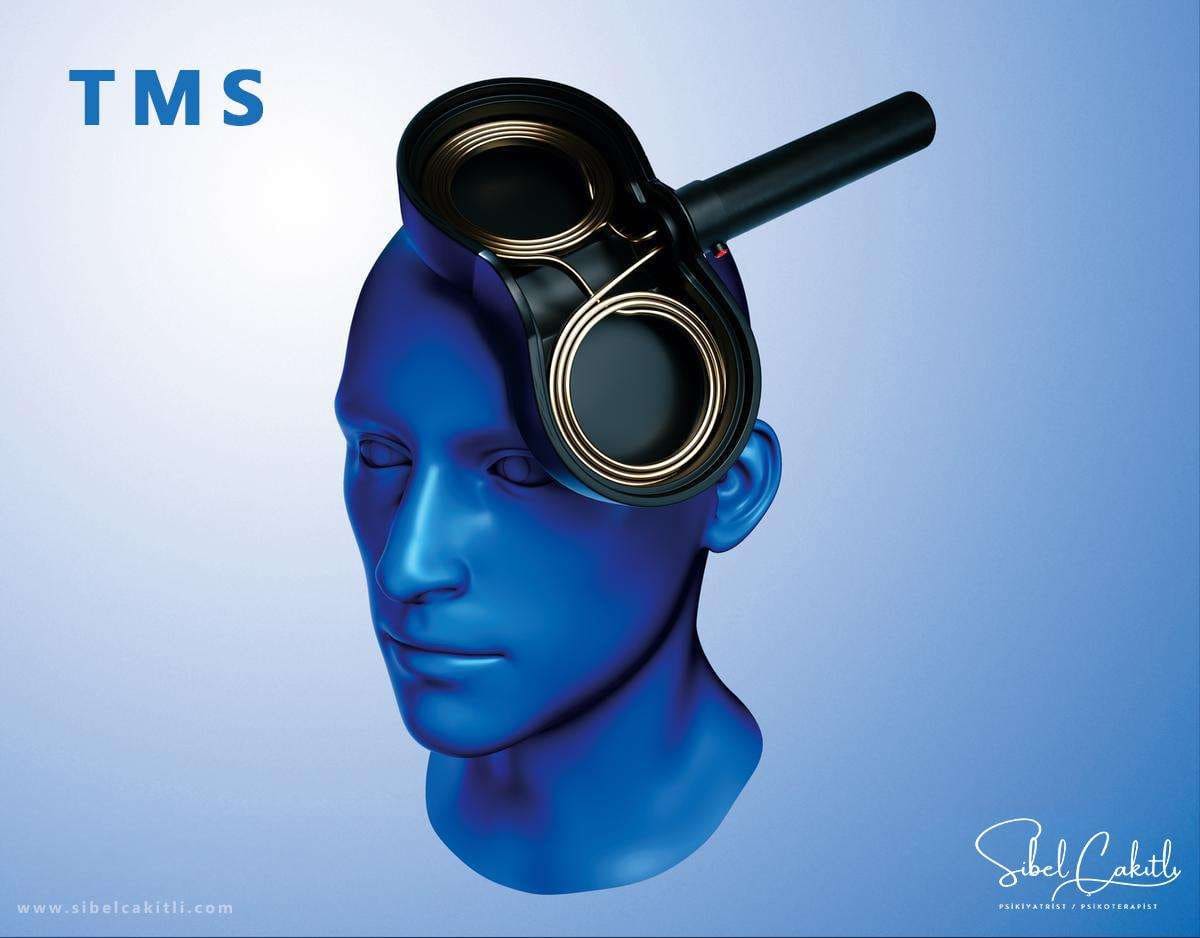
Deep transcranial magnetic stimulation (d-TMS) is an advanced form of treatment that targets deeper brain regions than conventional TMS. Using stronger magnetic fields, it penetrates deeper layers of the brain and affects a wider area.
Treating Depression with Deep TMS
✅ It is an effective method for treatment-resistant depression.
✅ It can reach a wider area of the brain than standard TMS treatment.
✅ Clinical research has shown that it improves depression symptoms more quickly.
✅ Promising results have been achieved in patients with medication-resistant depression.
Deep TMS and Obsessive-Compulsive Disorder (OCD) Treatment
📌 It may help reduce obsessive thoughts and compulsive behaviors in patients with OCD.
📌 It may reduce obsessions and anxiety by targeting deeper brain circuits than standard TMS.
📌 It is FDA-approved, and its effectiveness has been demonstrated in clinical studies.
Deep TMS and Anxiety Disorder
🔹 It may be effective for generalized anxiety disorder and panic attacks.
🔹 It may reduce anxiety by regulating overactive regions of the brain.
🔹 It may help manage anxiety symptoms without medication.
Deep TMS and Addiction Treatment
📌 It produces positive results in patients with alcohol, substance and nicotine dependence and behavioral addictions.
📌 It may reduce substance cravings by regulating the brain regions involved in reward and addiction.
📌 It is used as an alternative or supportive method in addiction treatment.
What Is Theta Burst Stimulation (TBS) Treatment?
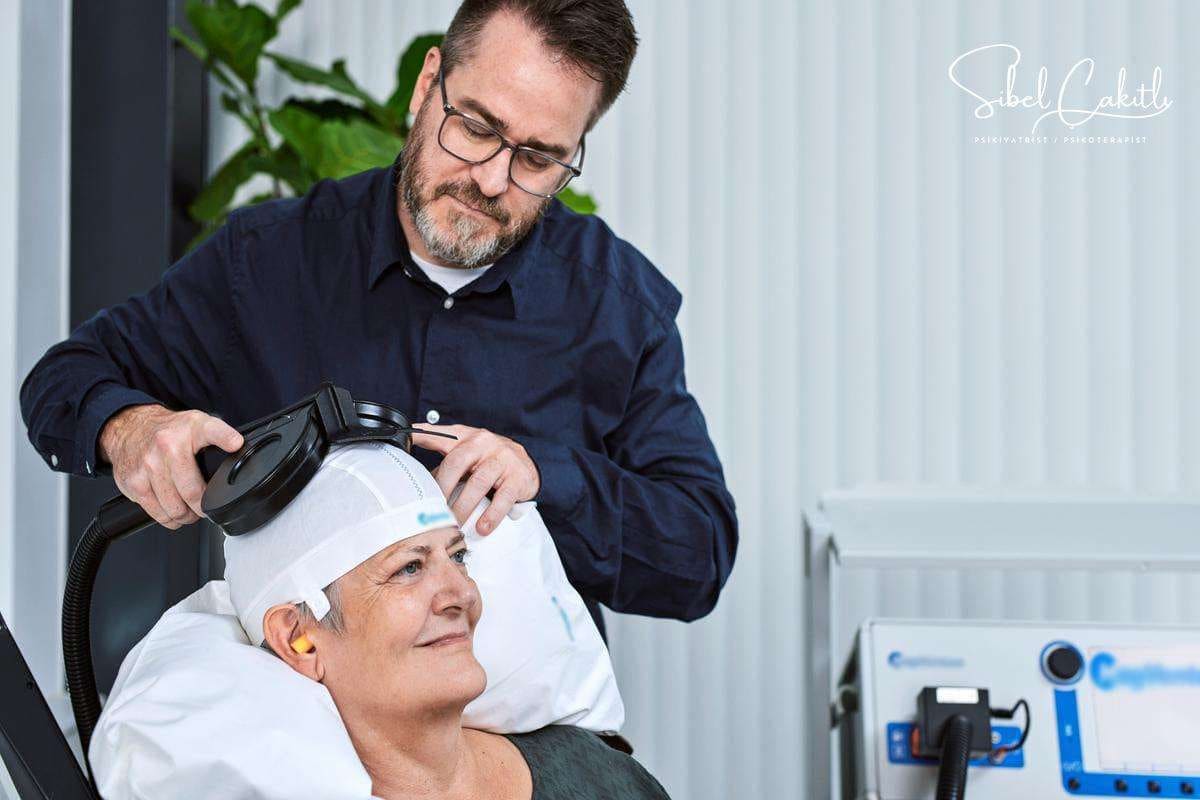
Theta burst stimulation (TBS) is a technique that regulates brain activity in less time and with more intense stimulation than standard TMS treatment.
Advantages of TBS:
✅ Sessions are much shorter (3-10 minutes).
✅ It may take effect more quickly by working in harmony with the brain’s natural wave frequencies.
✅ In autism spectrum disorder and other neurodevelopmental disorders, treatment-resistant depression, anxiety and cognitive disorders, it produces promising results.
✅ Unlike conventional TMS, it delivers lower-intensity but more frequent stimulation.
✅ It is an FDA-approved method being studied for many psychiatric conditions.
Although TBS works on a similar principle to standard TMS, its shorter administration time may make it an advantageous option for patients who want to save time.
Patient Selection for TMS Treatment
TMS (transcranial magnetic stimulation) treatment may not be suitable for every patient. The criteria considered in patient selection are:
✅ A diagnosis of a neuropsychiatric condition such as treatment-resistant depression, anxiety or OCD.
✅ An inadequate response to previous medication treatments.
In patients who do not wish to take medication, do not tolerate medication well or develop side effects,
as an addition to medication in some patients to enhance its effect
✅ Suitable general health (no metal devices such as pacemakers or brain implants).
✅ No history of epilepsy, or administration under medical supervision.
✅ Not being in the acute phase of a psychotic disorder.
✅ Obtaining a doctor’s approval regarding the suitability of TMS during pregnancy.
TMS should be recommended by a specialist doctor following an individual assessment. A detailed medical assessment should be carried out before starting treatment.
How Does TMS Treatment Differ from ECT?
TMS (transcranial magnetic stimulation) and ECT (electroconvulsive therapy) are two different methods used to treat psychiatric conditions such as depression. The main differences between them are:
| Feature | TMS | ECT (Electroconvulsive Therapy) |
| Invasiveness | Non-invasive (does not require surgery) | Invasive (may cause loss of consciousness) |
| Is Anesthesia Required? | No | Yes |
| Side Effects | Mild headache, scalp tenderness | Memory loss, confusion |
| Treatment Schedule | Daily sessions (4-6 weeks) | 2-3 times a week (usually 6-12 sessions) |
| Loss of Consciousness | No | Yes |
📌 TMS is a gentler and more tolerable treatment method.
📌 ECT may be chosen as a last resort in cases of severe depression.
What Is Neuronavigated rTMS?
Neuronavigated repetitive transcranial magnetic stimulation (rTMS) is a targeted magnetic stimulation treatment guided by advanced brain mapping technology. This advanced method allows magnetic waves to be directed precisely to specific brain regions, making more effective outcomes possible in the treatment of neurological and psychiatric conditions.
Advantages of Neuronavigated rTMS:
✅ Precise and Targeted Application: Magnetic stimulation focuses on points identified specifically for the person’s brain structure, providing maximum treatment effectiveness.
✅ Individualized Planning: Brain mapping technology allows each person’s unique brain structure to be analyzed and the most suitable treatment protocol to be developed.
✅ More Effective Results: Directing magnetic stimulation to the correct regions contributes to faster and more noticeable symptom improvement.
✅ Completely Painless and Non-Invasive: It is a comfortable, drug-free treatment that does not require surgery.
Neuronavigated rTMS optimizes its effects on the brain, offering a more precise and powerful treatment option than traditional methods. It provides promising results in many areas, particularly depression, anxiety, obsessive-compulsive disorder (OCD) and neurological conditions.
You can follow us on our YouTube page and read our Google Client Reviews.