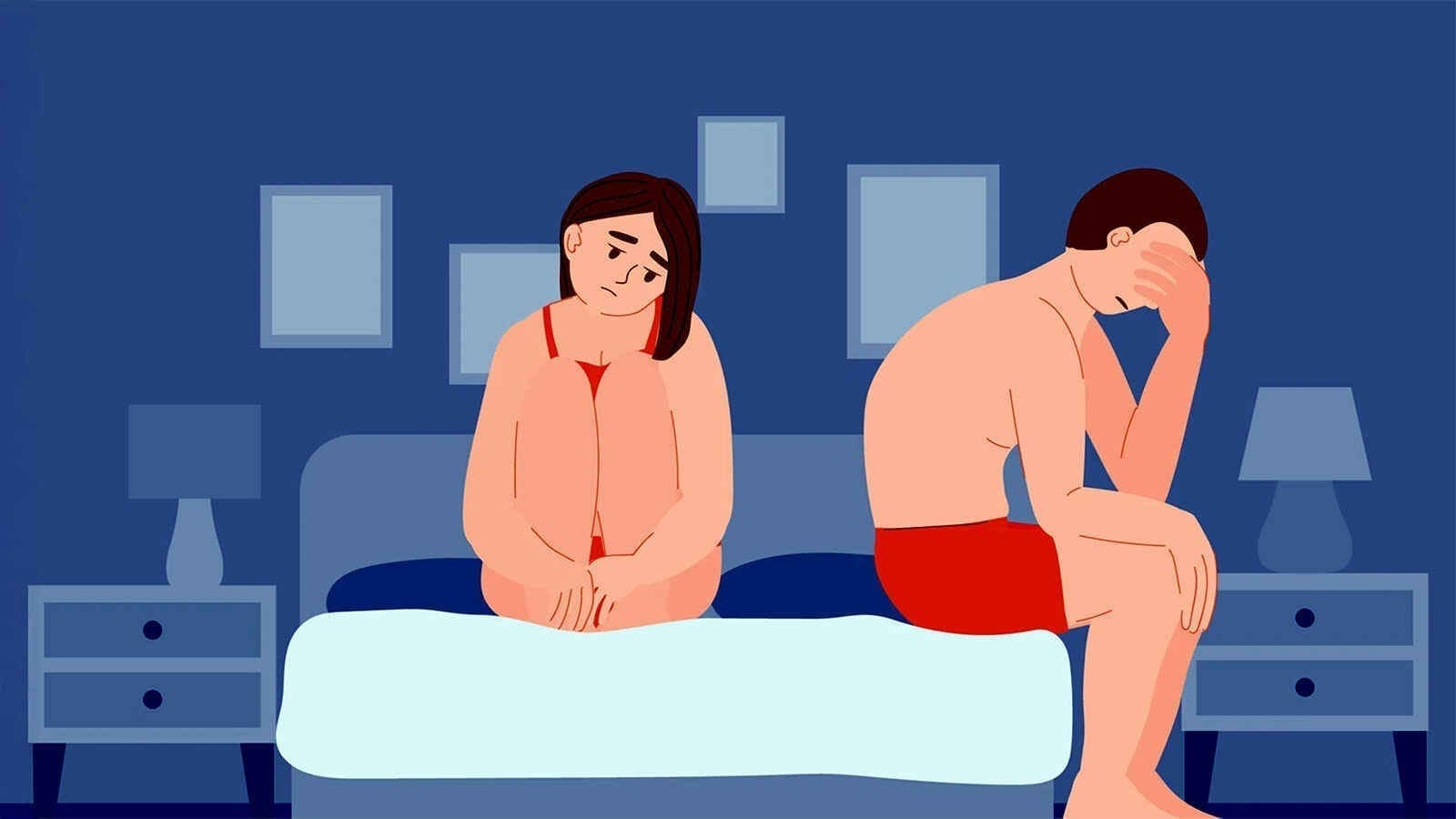
Sexual dysfunction can be defined as problems with a person's sexual desire, functioning during sexual intercourse or level of satisfaction.
Sexual dysfunction, which can affect both men and women, may negatively affect a person's sex life and relationships.
What is sexual dysfunction?
Sexual dysfunction refers to a range of physical or psychological problems that prevent people from having satisfying sexual experiences. These disorders include conditions such as low sexual desire, sexual arousal disorder, orgasm difficulties or pain during sexual intercourse.
What causes sexual dysfunction?
Sexual dysfunction can have many causes, which are generally related to physical, psychological and lifestyle factors. The main factors that may cause sexual dysfunction include:
- Physical causes: Physical health problems such as heart disease, diabetes, hormonal imbalances, neurological conditions and high blood pressure can lead to sexual dysfunction. Hormonal changes in particular (decreases in testosterone or oestrogen levels) can cause low sexual desire or arousal difficulties.
- Medications: Certain medications, such as antidepressants, blood pressure medications and antihistamines, can negatively affect sexual function. These medications may reduce sexual desire or make it harder to reach orgasm.
- Psychological causes: Psychological factors such as stress, anxiety, depression and low self-confidence are among the most common causes of sexual dysfunction. Sexual performance anxiety can also negatively affect sexual function. Past trauma or sexual abuse can also have a negative effect on sexual function.
- Relationship problems: Sexual dysfunction can sometimes stem from communication difficulties, a lack of trust or other relationship problems between partners.
- Lifestyle factors: Smoking, excessive alcohol consumption, poor eating habits and a sedentary lifestyle can negatively affect sexual function. A highly stressful lifestyle can also reduce sexual desire.
What are the types of sexual dysfunction?
Sexual dysfunction is generally divided into four main categories:
- Hypoactive sexual desire disorder: This disorder involves a reduction or complete loss of a person's desire for sexual intercourse. It can occur in both women and men and usually develops as a result of hormonal, psychological or relationship problems.
- Sexual arousal disorder: This is an inability to become sexually aroused or an insufficient sexual arousal response. In men, it usually manifests as erectile dysfunction (difficulty getting or maintaining an erection), while women may experience symptoms such as insufficient sexual arousal and vaginal dryness.
- Orgasmic disorder: Orgasmic disorder involves an inability to reach orgasm or a delay in reaching orgasm during sexual intercourse. This disorder can be common in both men and women.
- Sexual pain disorders: These are defined as experiencing pain during sexual intercourse. While vaginismus (involuntary contraction of the vaginal muscles) and dyspareunia (pain during sexual intercourse) are common in women, men can also experience pain during sexual intercourse.
Is there treatment for sexual dysfunction?
Treatment for sexual dysfunction varies depending on the type, severity and underlying causes of the disorder. Treatment options include medical interventions, therapy and lifestyle changes:
- Medical treatment: Medications (for example, PDE5 inhibitors such as sildenafil) may be used for sexual dysfunction with physical causes, such as erectile dysfunction. Hormone therapy may also be used for hormonal imbalances. Vaginal lubricants may be used for conditions such as vaginal dryness.
- Psychotherapy and counselling: Individual or couples therapy plays an important role in treating sexual dysfunction. Cognitive behavioural therapy (CBT) can help reduce performance anxiety and change negative thoughts about sexuality. Couples therapy aims to resolve communication problems between partners.
- Sex therapy: Sex therapy provided by therapists who specialise in sexual dysfunction can help people understand and overcome their sexual problems. These therapies address the person's approach to sexuality, past experiences and current relationship dynamics.
- Non-drug treatments: In addition to sex therapy, stress-reduction methods such as yoga, meditation and relaxation techniques may be helpful in treating sexual dysfunction in some cases. Exercises that increase sexual arousal and lifestyle changes can also support treatment.
- Surgery: In rare cases, surgery may be needed to correct sexual dysfunction. Surgical options are considered particularly when there is a physical obstruction or deformity.
What can be done to prevent sexual dysfunction?
Preventing sexual dysfunction involves developing a healthy lifestyle and a positive approach to sexuality. Some measures that can be taken to prevent sexual dysfunction include:
- Healthy eating and regular exercise: A healthy lifestyle has a positive effect on sexual function. Eating a balanced diet and exercising regularly support sexual health by maintaining hormonal balance.
- Managing stress: Stress can lead to low sexual desire and performance anxiety. Stress management methods such as meditation, yoga and relaxation techniques can help prevent sexual dysfunction.
- Communication: Communicating openly and honestly with your partner improves sexual harmony. Sharing concerns and desires about sex can prevent sexual problems from developing.
- Reducing smoking and alcohol consumption: Smoking and excessive alcohol consumption can negatively affect sexual function. Limiting the use of these substances is an important way to protect sexual health.
- Regular medical check-ups: People with chronic conditions such as diabetes or heart disease in particular should attend regular medical check-ups to reduce the risk of sexual dysfunction. Treating these conditions protects sexual health.
Sexual dysfunction is a common condition that many people may experience in their lives. However, the vast majority of these disorders can be treated. Identifying physical and psychological factors and using appropriate treatment options for these problems can help people overcome sexual dysfunction.
It is possible to prevent sexual dysfunction by adopting healthy lifestyle habits and establishing strong communication with your partner.