Emotions are feelings towards someone or something, but they can also be described as building blocks that shape us, play a substantial part in who we are and influence our actions more than our thoughts do. It is thought that we have eight basic emotions and that other emotions arise from these eight. These eight basic emotions are anger, fear, love, disgust, sadness, pleasure, surprise and shame.
From the earliest years of life, we begin to learn about emotions, make connections between them and learn how to manage them. Here, managing emotions refers to emotion regulation skills, and emotion regulation can be defined as a person’s ability to monitor and evaluate their emotional responses and make the changes needed to achieve their goals. Emotion regulation is influenced by cognitive, physiological and behavioural processes, while parental attitudes and the child’s own experiences also play an active role. Factors such as age, gender, temperament, attachment styles, peer interactions and teachers’ attitudes also play a role in acquiring emotion regulation skills.
Looking at how emotion regulation skills develop in children:
During infancy, the primary caregiver plays the active role in emotion regulation, and because the child’s own skills for regulating emotions are only beginning to develop, interpreting the child’s responses correctly is very important for managing stress and maintaining emotional balance. After their first birthday, children take a more active role in regulating their emotions, but when they encounter danger or feel stressed, their parents’ emotional guidance, accepting attitude and responsiveness are important in managing intense emotional episodes. During this period, children begin to respond to what their primary caregiver says and adjust their behaviour accordingly. During this period, which continues until age 3, children begin to show behaviours supported by emotion regulation skills, such as stopping themselves from doing things they have been told not to do and spontaneously helping, sharing and comforting others.
From age 3, children become a little more independent of their primary caregiver and begin spending more time with their peers. This allows them to develop a better understanding of their own emotions and those of their peers. From this point until age 6, children begin to show emotion regulation skills through effective communication, increased verbal communication and deliberate acts of helping, sharing and comforting others. As their communication becomes more focused on peers, they can understand and express their own emotions and those of their friends. They begin to internalise behaviours. During this period, some negative behaviours, as well as positive ones, may begin to appear consistently in connection with emotion regulation skills. Guidance from the family and other adults close to the child (teachers, etc.) remains important for the development of emotion regulation skills during this period.
During the years leading up to this age group, some psychological problems arising from gaps in emotion regulation skills are inevitable. Anger and aggression are the most common of these problems. Problems such as thumb-sucking, bedwetting, lack of self-confidence and withdrawal may also stem from an inability to express emotions. Behavioural problems, in particular, are among the ways children show their emotions to those around them. Understanding the child’s emotions and helping them develop emotion regulation skills is therefore very important at this stage. Parents are the most important guides in helping children regulate their emotions, and the following methods can be used to support the child.
Ways to Help Children Regulate Their Emotions
- Try to be empathetic
Accept the emotions your child is experiencing. Acknowledge how meaningful and important they are to your child. For example, when your child cries about something that does not seem particularly important to you, instead of saying, “You shouldn’t cry about this,” tell them that you understand their feelings and know how difficult it is for them. Allow them to experience what is happening and the feelings that come with it, and try talking once they have calmed down. You can also help your child through these emotional ups and downs by hugging them and maintaining physical contact. (If your child wants this; otherwise, do not force it.)
- Help them identify their emotions
Ask how they feel and let them know you understand. Statements such as “I know you feel sad right now because your toy broke, but I’m here with you” can be effective in encouraging them to express their emotions.
- Be a role model for your child
Children can learn by imitation. By expressing your own emotions, you can also help them develop emotion regulation skills. For example, “Do you know what? I was so happy that … happened today. Would you like to tell me what made you happy today?”
- Do not restrict children’s emotions
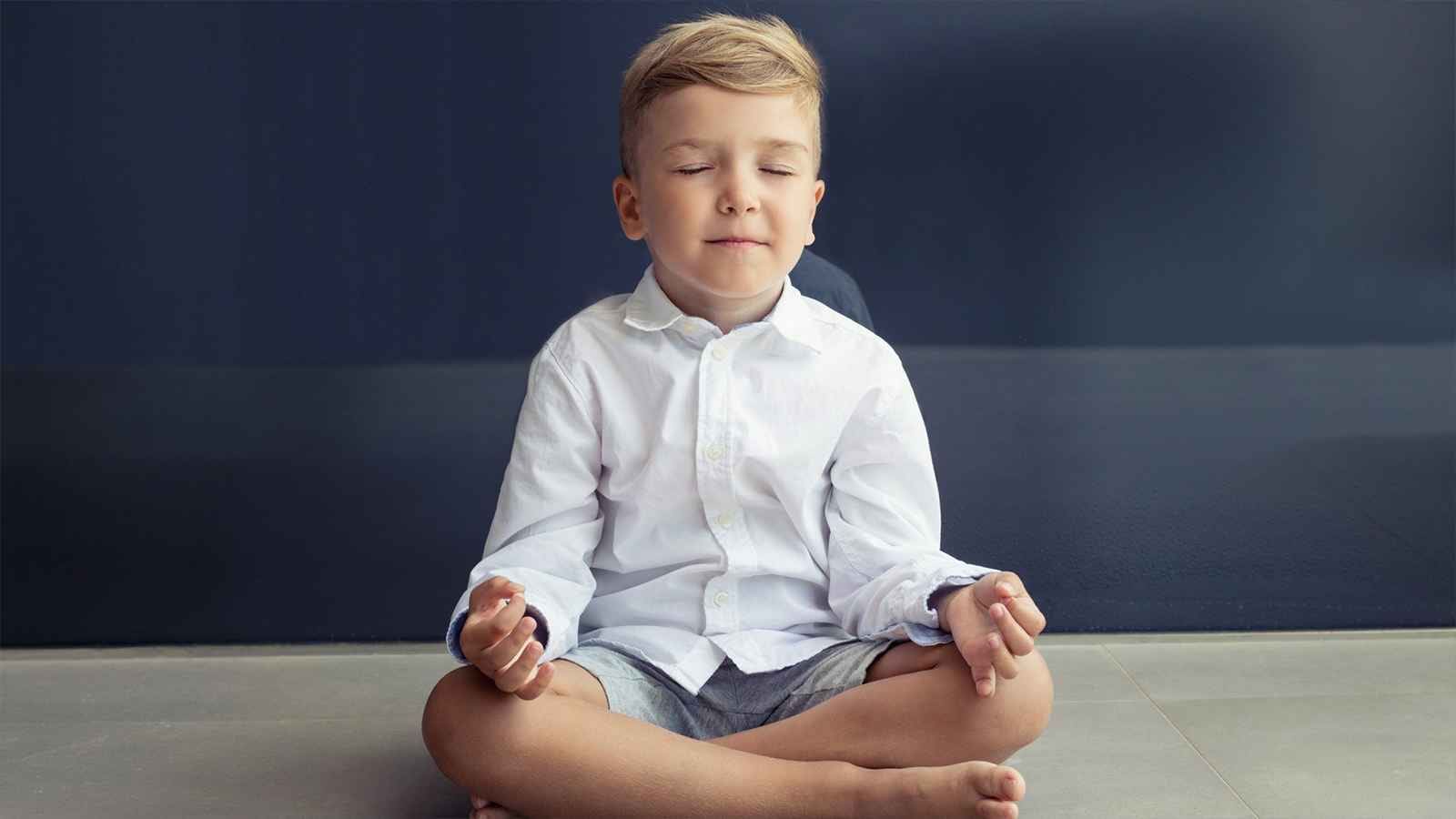
When your child has an emotional episode, such as an angry outburst or a crying spell, make sure you are not punishing them for experiencing their emotions. Try to help your child find ways to express their emotions. For example, a child who feels angry or is having an angry outburst can be taught a balloon breathing exercise to prevent them from hurting themselves. For this exercise, ask the child to place one palm on their chest and the other on their stomach. Then ask them to take a deep breath through their nose and breathe out through their mouth, just as they would when blowing up a balloon. Continue this until they calm down.
- Seek professional support
If you encounter difficulties as your child develops emotion regulation skills, seeking professional support can help make this process easier.
Suggested Resources:
- The Feelings Kitchen – Marc Nemiroff and Jane Annunziata (I definitely recommend getting this book.)
- The Kids’ Guide to Staying in Control – Lauren Brukner (You can find the exercise I described in item 4 here)
- How Can I Cope with My Anger? – Dagmar Geisler
- How Do I Feel? series: When I Feel Sad, When I Feel Worried, When I Feel Scared, – Cornelia Maude Spelman
- A Little SPOT Series – Diane Alber
**REFERENCES:
**– The Feelings Kitchen – Marc Nemiroff and Jane Annunziata
– Şahin, K. (2019). An examination of the relationship between emotion regulation skills and behavioural problems in preschool children (Doctoral dissertation, Marmara University (Turkey)).
– Yaman, B. (2018). The role of parental attitudes in children’s temperament traits and emotion regulation skills (Master’s thesis, Işık University).
– Bozkurt Yükçü, Ş. U. H. E. D. A. (2017). An examination of the relationship between emotion regulation and social problem-solving skills in children attending standalone preschools and their parents’ emotional literacy levels.
Clinical Psychologist Yağmur Yarlılar