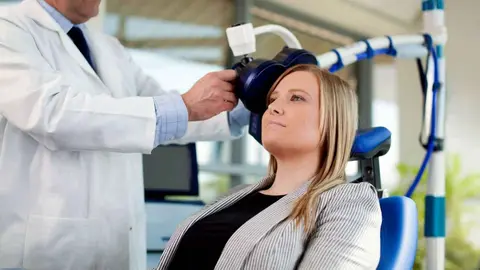
TMS (transcranial magnetic stimulation) is being investigated as a potential treatment for sleep disorders.
TMS aims to alter neural activity by delivering magnetic pulses to specific areas of the brain.
Its effects on sleep disorders may be observed in the following ways:
Insomnia
TMS may treat insomnia by making it easier to fall asleep and improving sleep quality. Some studies have shown that TMS has positive effects on insomnia.
Hypersomnia
Research into excessive sleep is also ongoing. TMS is thought to have potential benefits in these cases as well.
Relationship with Emotional Disorders
Mental health disorders such as depression and anxiety are often associated with sleep disorders. Since TMS is effective in treating these disorders, it may also indirectly improve sleep quality.
Brain Waves
TMS may help balance sleep cycles by regulating brain waves. This may be particularly effective for REM sleep.
The role of TMS therapy in sleep disorders
TMS has not yet been fully accepted as a treatment option for sleep disorders; further research and clinical studies are needed. However, current findings suggest that TMS has the potential to improve sleep quality. If you have sleep problems, consulting a specialist is the best approach.
You can find detailed information about TMS Therapy on this page.