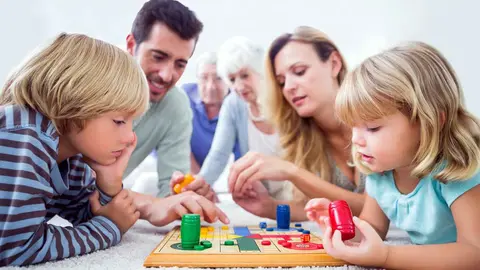
Play is a large and important part of children's lives and supports their learning while they enjoy themselves. Play and playing have a major role in the development of children's social, emotional, language, cognitive and psychomotor skills.
When children play, they express the full range of emotions they experience and show us what is happening in their inner world. Through play, children also learn social rules, how to communicate with others, how to wait, be patient, share, imagine, adapt, solve problems, listen and express themselves.
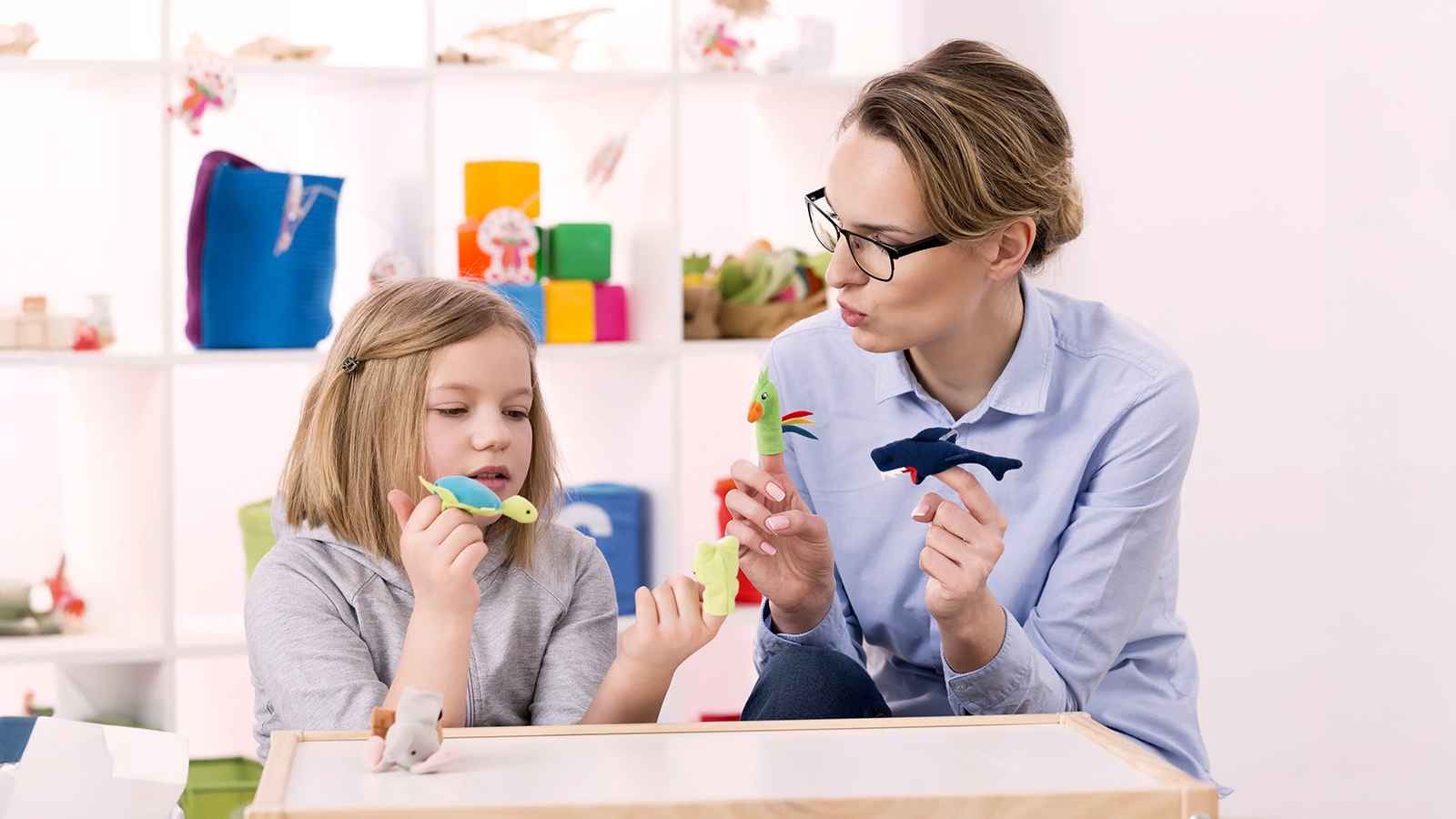
Play therapy draws its strength from the inherently educational and therapeutic nature of play. Play is the language children use to communicate their inner thoughts and feelings. Although play therapy and the playroom have certain boundaries, the process gives children considerable freedom. By observing the child's behaviour in the playroom, the therapist identifies the areas where the child struggles, their view of others and their relationships with others, and enters the child's world through games, toys and all the other materials available.
Children use play and toys to symbolise their inner experiences, re-enact problems and look for solutions. By reflecting the child's feelings, thoughts, behaviours and what they express, the therapist helps the child find solutions to their problems in the playroom and learn to put these solutions into practice in everyday life. Play therapy is therefore one of the most effective ways to help children find solutions to their psychological problems and develop self-efficacy. Play therapy is also an effective way to help children reach an age-appropriate level of development.
Play therapy is a method used with children aged 3-12. Play therapy sessions have a beginning and an end. Sessions are generally scheduled 1 or 2 times a week and last 45-50 minutes. All toys and other materials in the playroom have a specific meaning and purpose and are selected and arranged according to certain standards.
Families and the therapist work together throughout the process. The therapist may gather information by talking with the family about all aspects of the child's development and the possible causes of their current problems. The therapist can support the family in understanding and reflecting the child's feelings, setting boundaries and learning how to respond to help the child overcome difficulties in everyday life.
There are many different types of play therapy, including Cognitive Behavioural Play Therapy, Structured Play Therapy, Experiential Play Therapy, Child-Centred Play Therapy, Filial Therapy and Psychoanalytic Play Therapy, but Child-Centred Play Therapy can be said to be the most commonly used approach.
Play therapy can provide solutions for the following problems:
- Anger problems-Aggressive behaviour towards oneself and others
- Anxiety Disorders
- Perfectionism in Children
- Obsessions in children
- Depression in Children
- Shyness/inhibition in children
- Problems such as bedwetting (enuresis) and stool withholding (encopresis)
- Problems with self-confidence
- Sleep problems
- Eating problems
- Traumatic events such as neglect and abuse
- Problems following the death of a loved one-grief
- Problems following major changes such as parental divorce
- Attention Deficit and Hyperactivity
- Fears and Phobias in Children
- Selective Mutism
- Peer Bullying
- Sibling Jealousy
- Attachment problems
- Separation Anxiety
- Stubbornness in Children
- Lying in children
- Problems such as masturbation in children
- Lack of Stimulation in Children
REFERENCES:
– Akay, Ö. G. R. (2022). Foundations of Play Therapy. Play Therapy (Theory, Techniques and Culture-Specific Case Examples), 9.
– Genç, M., & Tolan, Ö. (2021). Play therapy interventions for common psychological and developmental disorders in the preschool period. Current Approaches in Psychiatry, 13(2), 207-231.
– Kiye, S., & Yalçın, İ. (2021). Play therapy and its use in groups. Journal of the Buca Faculty of Education, Dokuz Eylül University, (51), 287-303.
– Koçkaya, S., & Siyez, D. M. (2017). The effects of play therapy interventions on shyness in preschool children. Current Approaches in Psychiatry, 9(1), 31-44.
– Öğretir, A. D. (2008). Play and play therapy. Journal of the Faculty of Industrial Arts Education, Gazi University, 22(8), 94-100.
– Özel, A. Ü. Play Therapy.