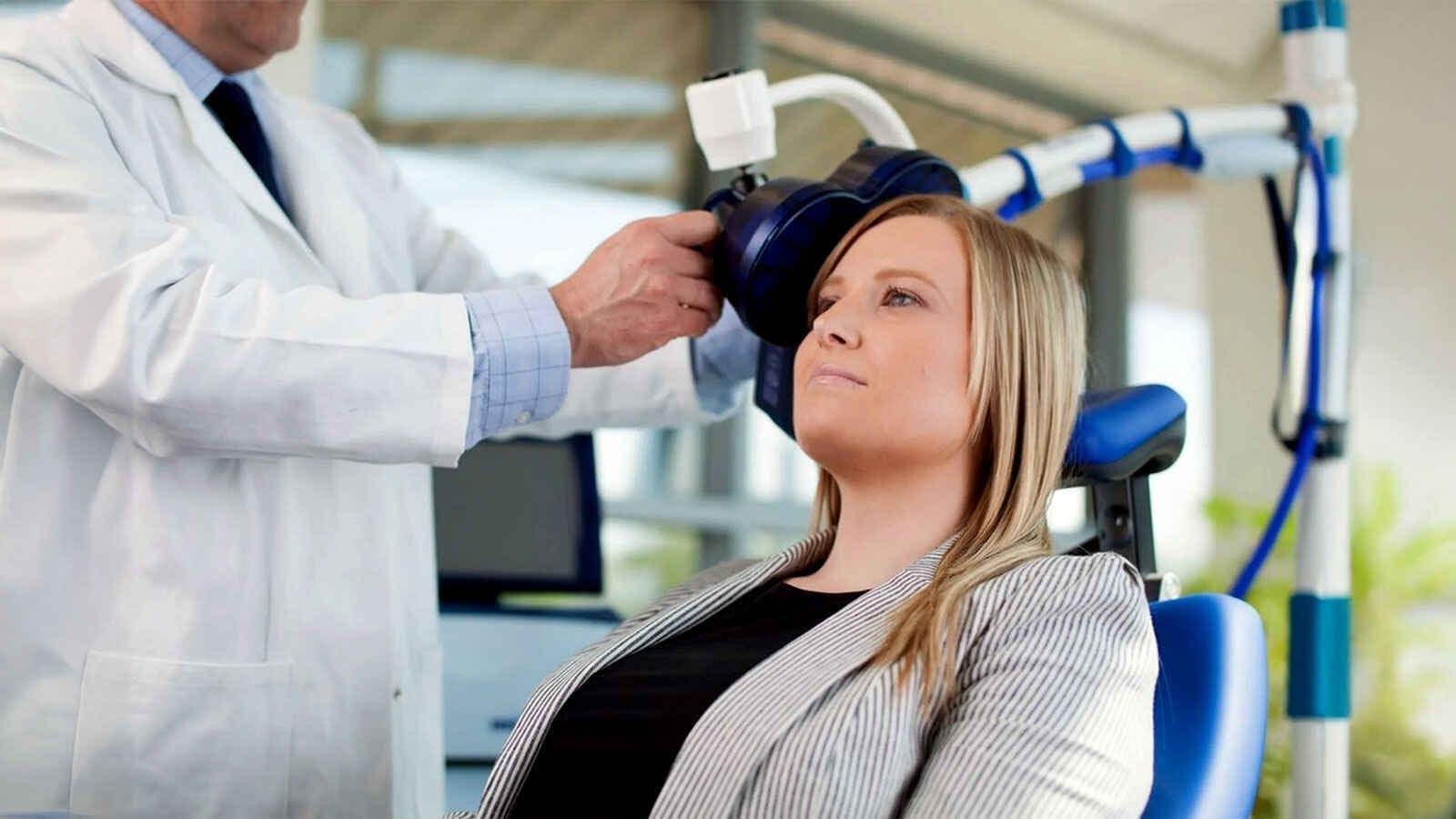
Magnetic stimulation therapy, known in medical literature as transcranial magnetic stimulation (TMS), is a treatment that uses magnetic waves to stimulate the brain.
Magnetic stimulation therapy is used particularly to treat mental health conditions such as depression, anxiety and obsessive-compulsive disorder (OCD), and is increasingly preferred because it is non-invasive and has few side effects.
TMS aims to improve functions related to mood and other mental processes by increasing the electrical activity of nerve cells in the brain. So, what exactly is magnetic stimulation therapy, how is it performed and who is a suitable candidate for this treatment?
What is magnetic stimulation therapy (TMS)?
TMS involves stimulating nerve cells by sending magnetic waves to specific areas of the brain using a powerful magnet. These magnetic pulses generate electrical activity in the brain, strengthening communication between nerve cells. Particularly in conditions such as depression, low activity in certain areas of the brain is thought to play a role in treatment.
TMS is generally used for people who do not respond to medication or psychotherapy. Some patients with depression do not respond to antidepressant treatment or experience troublesome side effects from these medications. TMS can then be used as an alternative or an additional treatment. Anxiety disorders, OCD and certain types of migraine are also among the conditions that can be treated with TMS.
How is magnetic stimulation therapy performed?
TMS is a non-invasive and painless procedure. During treatment, the person sits in a chair and a TMS device is placed against their head. This device contains an electromagnet that sends magnetic pulses to a specific area of the brain. The treatment generally consists of the following steps:
- Preparation
The person sits in a comfortable chair and wears a cap so that the device can be positioned on their head. They remain fully conscious during treatment, and no anesthesia or sedative is usually needed.
- Magnetic stimulation
The specialist administering the treatment uses the electromagnet to direct magnetic waves to the target area in the brain. This target area is usually the front part of the brain involved in mood and emotional regulation, particularly the left dorsolateral prefrontal cortex. The magnetic pulses aim to increase low nerve activity in this area. Each magnetic pulse creates small, temporary electrical currents within the brain.
- Treatment duration
A TMS session usually lasts 20 to 40 minutes. Treatment is generally administered 5 times a week over several weeks. The length of treatment may vary depending on the person's condition and response, but a program lasting 4 to 6 weeks is usually planned.
- Side effects
TMS is generally well tolerated. The most common side effects are a mild headache and mild discomfort at the treatment site. However, serious side effects are rare. Since people with a history of epilepsy may be at risk of seizures during TMS, treatment should be carefully considered in these cases.
Who can receive magnetic stimulation therapy?
TMS is a suitable option, particularly for mental health conditions that do not respond to other treatments. However, not everyone is a suitable candidate for TMS. A detailed assessment is carried out before treatment. In general, the groups for whom TMS is suitable are:
- Patients with major depression
TMS is most commonly used in patients diagnosed with major depression resistant to medication. TMS may be effective in cases of depression that do not respond to antidepressant medication or psychotherapy. TMS also offers a good alternative for people who cannot tolerate the side effects of medications used to treat depression.
- People with anxiety disorders
TMS can also be used to treat certain types of anxiety disorders. Particularly in conditions such as generalized anxiety disorder and panic disorder, it helps relieve anxiety symptoms by helping regulate brain activity.
- Patients with obsessive-compulsive disorder (OCD)
OCD is a disorder characterized by intrusive thoughts and repetitive behaviors, and it is often difficult to treat. When medication and cognitive behavioral therapy are ineffective, TMS may help relieve OCD symptoms. In these patients, TMS is administered by targeting different areas of the brain.
- Patients with migraine
TMS can also be used to treat certain types of migraine. It is known to be effective particularly for a type called migraine with aura. In migraine with aura, visual or other sensory symptoms occur before the headache begins, and TMS may relieve or prevent these symptoms.
- People with post-traumatic stress disorder (PTSD)
Post-traumatic stress disorder (PTSD) is a condition that generally develops after severely traumatic events. In these cases, TMS may help regulate the brain's trauma-related stress response.
Who is not suitable for TMS?
Although TMS is a safe and effective treatment, some people may not be suitable for it. TMS is not recommended particularly in the following circumstances:
- People with a history of epilepsy or seizures,
- Metal implants in the brain (for example, metal placed during brain surgery),
- People with a pacemaker or metallic devices in their body,
Before treatment, the person's medical history is assessed in detail to decide whether TMS can be administered.
Magnetic stimulation therapy (TMS) and mental health conditions
Magnetic stimulation therapy (TMS) is a promising treatment for many mental health and neurological conditions, particularly depression.
The non-invasive nature of magnetic stimulation therapy, its few side effects and its potential effectiveness even in cases resistant to medication have made TMS increasingly popular.
Treatment is planned individually and is generally administered in regular sessions over several weeks. While TMS opens a new door for people who do not respond to other treatments, its suitability must always be assessed by a specialist.