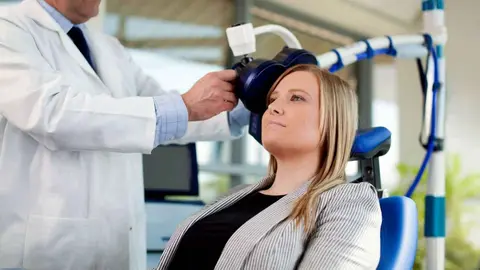
📌 TMS Treatment (Transcranial Magnetic Stimulation) is an FDA-approved method for treating depression, anxiety, obsessive-compulsive disorder (OCD), and other neurological conditions. So, how is TMS treatment administered? In this article, we discuss in detail how TMS works, what happens during a session, and who it is suitable for.
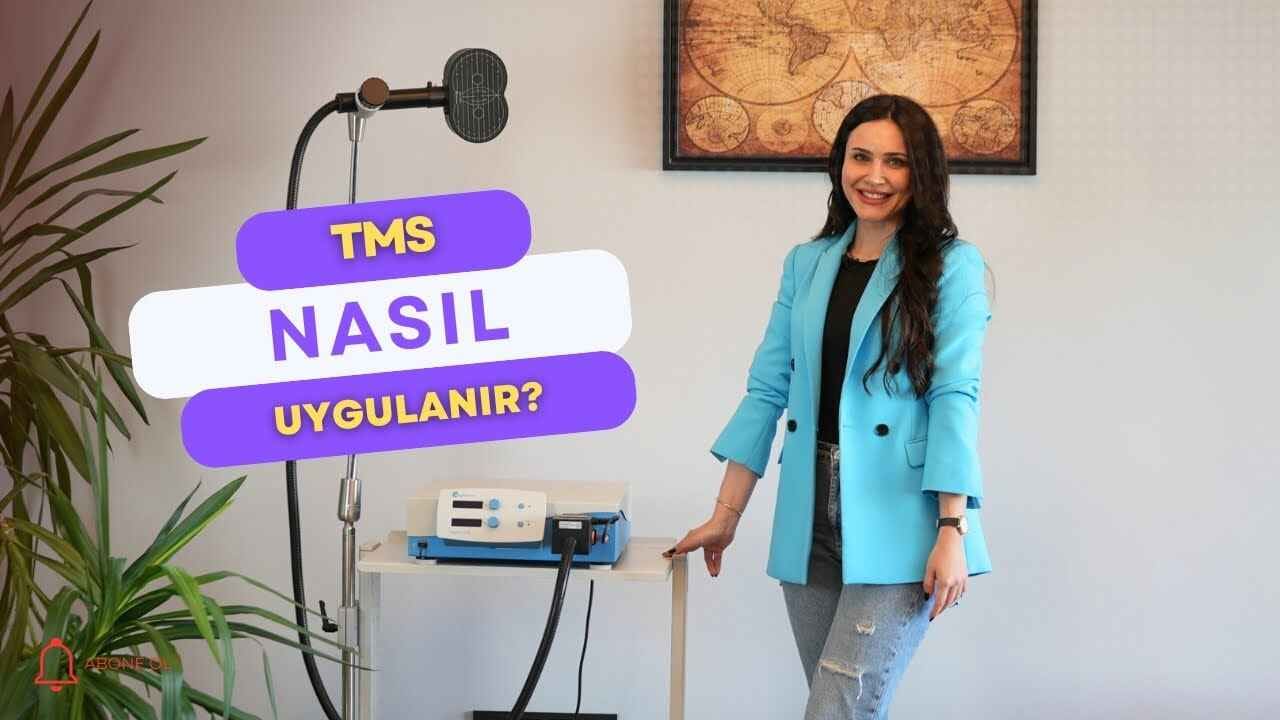
📌 In this video, you can watch how TMS treatment is administered step by step. Watch now for detailed information about the session process, how the device is used, and patients’ experiences!
During TMS treatment, a coil that generates magnetic pulses is placed on the scalp to target the area associated with the condition. The FDA-approved protocol settings are entered into the device. The procedure takes an average of 15-20 minutes, with an average total of 20-30 sessions administered 5 days a week. For detailed information, you can contact us through our website or social media accounts.
Who Is TMS Treatment Suitable For?
- TMS treatment is an effective method, particularly for people with the following conditions:
- Patients with major depression and treatment-resistant depression
- People with anxiety disorders and obsessive-compulsive disorder (OCD)
- People with post-traumatic stress disorder (PTSD)
- Patients with bipolar disorder who are experiencing a depressive episode
- People with neurological conditions such as attention-deficit/hyperactivity disorder (ADHD)
- Patients who experience side effects from medication or do not wish to take medication
Because TMS is a treatment that does not involve medication, it is safer in terms of side effects and delivers effective results, particularly in patients who do not respond to medication.
How Many Minutes Do TMS Sessions Last?
Like Gottman Couples Therapy, TMS treatment is administered for durations determined by standard clinical protocols.
📌 Session Duration: TMS sessions usually last 20-45 minutes. However, with certain specific protocols, they can last up to 90 minutes.
📌 Treatment Duration: A standard course of TMS treatment consists of 20-30 sessions in total, administered 5 days a week over an average of 4-6 weeks.
📌 *The therapist determines the duration and frequency of sessions according to the patient’s condition.
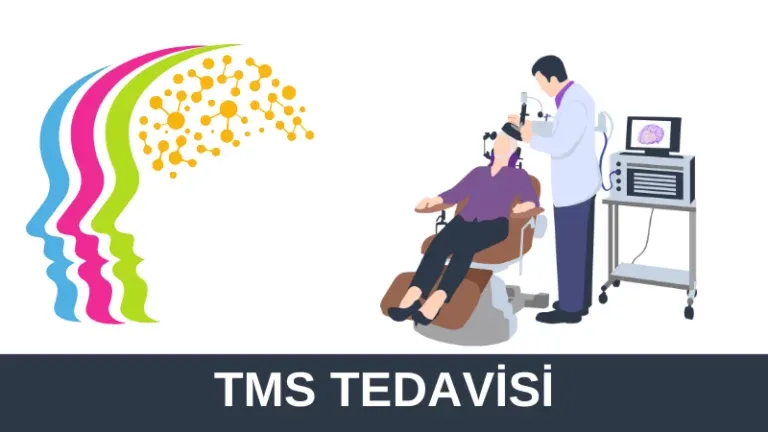
Things to Consider Before and After TMS Treatment
Before TMS:
- Before starting treatment, patients should be assessed for metal implants in the brain or a history of epilepsy.
- Caffeinated drinks such as coffee and tea should be avoided before the session.
- Head and brain MRI results should be reviewed alongside the patient’s treatment history.
After TMS:
- Patients can return to their daily activities immediately after treatment because no surgery or anesthesia is involved.
- There may be a mild headache or a slight feeling of pressure on the scalp, but this is usually temporary.
- The treatment’s effectiveness usually starts to become apparent within 2-3 weeks.
TMS Treatment and Treatment Options Without Medication
Because TMS is a method of brain stimulation that does not involve medication, it is an important alternative, particularly for patients who do not wish to take medication or experience side effects from it.
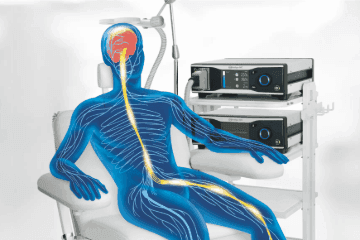
TMS vs. Medication:
- TMS may be a more effective option for patients who do not respond to antidepressants.
- It has no chemical side effects and is not addictive.
- It does not cause medication-related problems such as sleep disturbances, stomach upset, or weight gain.
📌 Alternative treatments without medication:
- Cognitive Behavioral Therapy (CBT)
- Mindfulness and meditation techniques
- Treatment programs based on diet and exercise
Does TMS Treatment Have Side Effects?
TMS treatment is generally a safe and well-tolerated method, but some patients may experience mild side effects:
📌 Possible Side Effects:
- Mild headache and scalp discomfort (the most common side effect, which usually decreases after the first few sessions)
- Brief twitching of the facial muscles during the session
- In rare cases, a risk of seizures in patients with a history of epilepsy (which is why a doctor’s assessment is important)
In terms of side effects, TMS offers a much safer alternative to medication.
What Is Recovery Like After TMS?
- Patients can return to their daily lives immediately after sessions.
- The effects of TMS usually start to become apparent after 2-3 weeks, and patients feel more energetic, motivated, and positive.
- Although the process of full recovery varies from person to person, supportive therapies may be recommended for most patients after treatment.
📌 In summary: Recovery after TMS Treatment is quick, and patients do not need to follow any additional restrictions after a session.