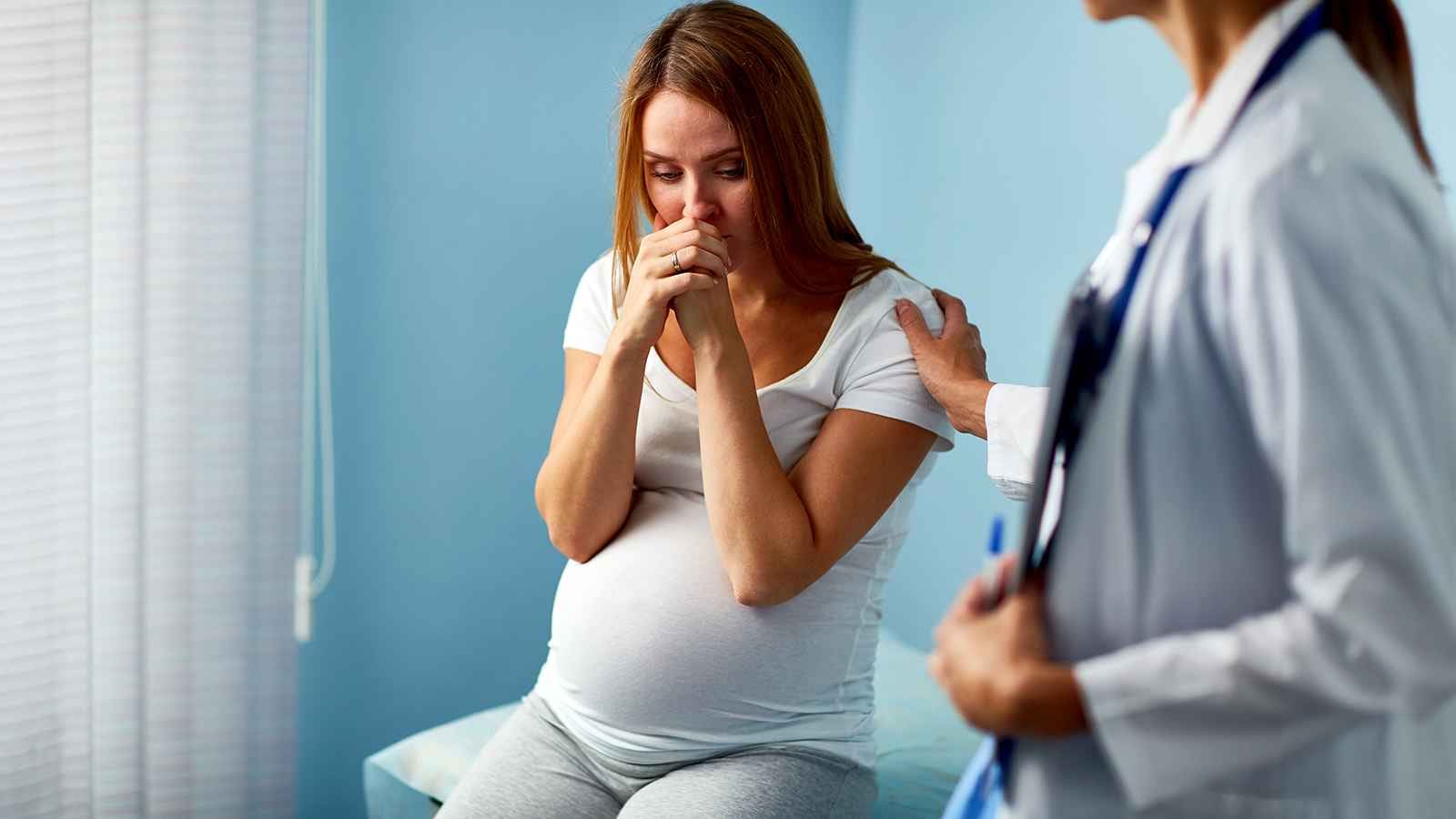
Although pregnancy is considered a physiological process, it is also a sensitive time involving significant physiological, psychological and social changes. Biological and environmental factors can make pregnancy and the postpartum period difficult for some women. Pregnancy and the postpartum period can be a complex time when psychiatric disorders first appear or recur. Psychiatric disorders that arise during this time can be overlooked. However, diagnosing and treating mental illness during pregnancy and the postpartum period is very important. This is because the mother's mental health during pregnancy and after childbirth also affects the baby.
Women's risk of developing psychiatric disorders increases during their reproductive years. Pregnancy and the postpartum period are times of increased risk when psychiatric disorders may first appear or flare up again. For this reason, many women need psychiatric treatment during pregnancy and the postpartum period.
There is a strong view that mental health problems experienced by a mother during pregnancy affect the fetus, disrupt attachment between mother and baby, and undermine her willingness to provide care after childbirth by compromising her existing capacity. Furthermore, women's mood disorders affecting child-rearing also cause problems in their relationships with their partners and reduce marital satisfaction.
The idea that pregnancy protects against mental disorders has now been abandoned. Depression should be recognised as potentially one of the most significant health problems that can develop during and after pregnancy. Although depression is most common among women of reproductive age, its prevalence increases during pregnancy.
Depression can be overlooked during pregnancy. Symptoms such as sleep disturbances, loss of appetite and low energy may be attributed to the physical experiences of pregnancy rather than changes in mood. However, identifying hopelessness, an inability to enjoy life, feelings of guilt and suicidal thoughts through careful observation and interviews with the expectant mother helps establish a diagnosis of depression.
Although the prevalence of depression during pregnancy varies between populations, the limited studies conducted in Turkey suggest an average of 10–30%. It is also influenced by variables such as the population's socioeconomic circumstances and genetic factors.
Many factors contribute to depression during pregnancy and after childbirth; childhood abuse, particularly sexual abuse (research shows that these individuals have disturbances in their neurobiological stress response system).
Another risk factor for depression during pregnancy and after childbirth is intimate partner violence.
This risk increases in women with a family history of mental illness, a history of mental illness before childbirth, particularly depression, low income and low educational attainment. Research also suggests that poor nutrition contributes to depression by disrupting hormonal function. Monitoring thyroid hormone levels during pregnancy is important, particularly because of the risk of depression.
Although pregnancy naturally involves certain physiological changes (such as nausea, anxiety, sleep problems, loss of libido and difficulties with attention and concentration), these symptoms are more severe and last longer in a pregnant woman with depression.
Compared with a non-pregnant person with depression, a pregnant person is more likely to experience depression with physical symptoms such as nausea and headaches.
How will depression during pregnancy progress? The most important factor in determining this is the course of treatment. A mother whose depression is left untreated during pregnancy has an increased risk of certain complications during pregnancy and childbirth. The baby in the womb is affected by the mother's distress through the stress hormone, which can pass directly to the baby. Research shows that these babies are more likely to experience both birth complications and physical and mental illnesses later in life.
In addition, if a mother with depression does not receive support, difficulties in communicating and bonding with her baby may contribute to the child developing an insecure attachment style and experiencing attachment problems in adulthood.
I was taking psychiatric medication before pregnancy. We are now planning a pregnancy. Will I need to continue taking medication during pregnancy?
What was the previous course of the illness. Were there attempts to stop medication? If so, did the expectant mother find stopping intolerable and need to restart immediately?
Did the illness follow a recurrent pattern before pregnancy?
Research shows that an expectant mother who has remained well without medication for a long period, even if she previously experienced a depressive episode before pregnancy, may tolerate discontinuation more easily. Of course, these are not rules.
If this is the woman's first pregnancy, factors such as a family history of depression, an inadequate response to treatment, insufficient social support, low income and domestic violence may indicate an increased risk of depression recurring in subsequent pregnancies and a greater need for medication.
The risk of depression increases with the number of pregnancies. To predict how the illness may progress during the current pregnancy, previous pregnancies should be reviewed, including how episodes were managed and how the woman responded to treatment, as well as other coexisting risk factors, medical conditions and a family history of mental illness.
An untreated mental illness during pregnancy and the postpartum period harms both the mother and the baby.
How do we decide whether to start medication for someone with depression during pregnancy?
First, we make sure that the mother and baby are medically stable (through the relevant specialist consultations). Then we assess the severity of the depressive symptoms. For mild or moderate depression, the first options are psychotherapy, social support, lifestyle changes and group therapy.
For a pregnant woman known to have previously experienced severe depression, starting an antidepressant should be a primary consideration even if she currently presents with mild to moderate depressive symptoms.
For moderate to severe depression, medication and psychosocial interventions need to be considered together. Treatment for depression during pregnancy must be tailored to the individual, and starting medication should be a primary consideration if the person declines psychological interventions, wishes to take medication, has insufficient social support or does not respond adequately to psychosocial interventions.
What should be considered when choosing an antidepressant during pregnancy?
The stage of pregnancy
A medication previously used with a known history of benefit
Reviewing the literature on the effects of medications on pregnancy and the fetus
Providing the pregnant woman with adequate information
Explaining that the association between antidepressants and certain cardiopulmonary conditions in babies has not yet been fully clarified
Avoiding medications known to cause certain medical problems, particularly in the mother and later in the baby
Medication should be started after obtaining both parents' signatures on an informed consent form.
What risks might I face if I take antidepressants during pregnancy?
Antidepressant use has been reported to be associated with an increased risk of miscarriage, preterm birth, neonatal seizures, persistent pulmonary hypertension, cardiac malformations, breathing difficulties in the baby at birth and neonatal adaptation syndrome. Medication use increases risk, but this increase is limited, and it remains unclear whether an event that occurs is caused by the antidepressant or by another factor. These risks also occur in women who do not take antidepressants, and untreated depression poses similar risks.
Whenever possible, if medication is planned during pregnancy, starting after the first trimester, when the baby's organ formation is complete, should be preferred.
Potential risks of untreated depression during pregnancy
- Disrupted antenatal care
- Impaired maternal self-care
- Poor nutrition
- A tendency to smoke and use substances
- Susceptibility to physical illness
- Increased risk of postpartum depression
- Inability to care for the baby after childbirth
- Risk of suicide
Non-medication treatment options during pregnancy
Treatment is tailored to each patient, and the choice of medication, non-medication approaches or combinations of these is determined through assessments with the patient and their family. The main non-medication treatment options include TMS (transcranial magnetic stimulation), ECT (electroconvulsive therapy) and psychotherapy (interpersonal therapy, cognitive behavioural therapy).
Other mental illnesses seen during pregnancy and the postpartum period
Postpartum Depression: Research has identified 13 significant risk factors in the literature for depression with postpartum (after childbirth) onset. These are antenatal depression, low self-esteem, childcare stress, antenatal (prenatal) anxiety, life stressors, social support, marital status, a previous diagnosis of depression, the newborn's temperament, baby blues, the marital relationship, unwanted/unexpected pregnancy and socioeconomic status. Postpartum depression also requires a detailed assessment consistent with the approaches used during pregnancy and an analysis of benefits and risks, with care guided by the clinician's experience and the literature and with clear information provided to the patient.
It should be remembered that leaving the mother untreated harms both the mother and the baby.
Baby blues
Baby blues need to be distinguished from postpartum depression. Baby blues are common, affecting 50–85% of women who have recently given birth. They are characterised by symptoms such as stress, worry, crying, irritability, difficulty concentrating, restlessness and emotional vulnerability. Baby blues begin in the first week after the baby's birth, and symptoms usually resolve within two weeks without treatment. Sudden changes in the mother's hormonal balance after childbirth or activation of the oxytocin-related biological system are thought to play a role. Baby blues can occur regardless of the mode of delivery or the number of previous births.
The risk is higher in people who have experienced problems such as depression or anxiety during pregnancy, insufficient social support, family conflict, single parenthood, premenstrual syndrome before pregnancy or fear of childbirth.
For baby blues, the first step is to ensure that all expectant mothers receive information about the condition during pregnancy. If symptoms last longer than two weeks, psychiatric support must be arranged.
Postpartum psychosis
Its incidence is approximately 1–2 per 1,000, and it develops within a few weeks after childbirth. It is a serious illness. It must be distinguished from baby blues and postpartum depression. The mother may experience hallucinations, confusion, refusal to eat or drink, unstable mood, suspiciousness, oversensitivity and sleep problems. Risk factors include a personal history of mental illness, a family history of psychotic or mood disorders, being a single mother and autoimmune thyroid disease. When taking a history from the family, they must be asked how symptoms began, whether the mother can care for the baby, whether she has thoughts or actions involving harm to herself or others, and whether she shows symptoms such as withdrawal.
Postpartum psychosis is a serious condition requiring emergency psychiatric intervention and hospital admission. The first priority is to ensure the safety of the mother and baby, work with the family during treatment and ensure that the mother receives support.