Major depression is a mental illness that can remain resistant to treatment despite medication given at an effective dose for an adequate duration and psychosocial interventions.
Today, the most effective approach to mental illness is the biopsychosocial model. In this approach, effective and safe treatment for depression involves biological, social and psychological interventions (psychotherapies).
Treating major depression with transcranial magnetic stimulation
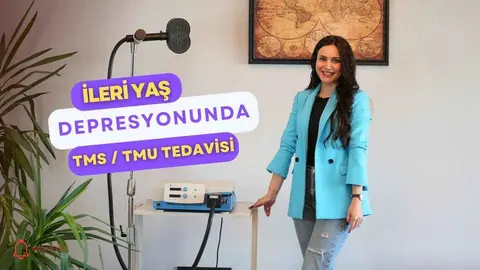
Transcranial magnetic stimulation, a new-generation, non-invasive treatment that does not involve medication, is considered when major depression does not reach full remission (recovery) despite medication at an effective and adequate dose for a sufficient duration, when medication use is limited for various reasons, or when its effectiveness needs to be increased.
Deep TMS treatment
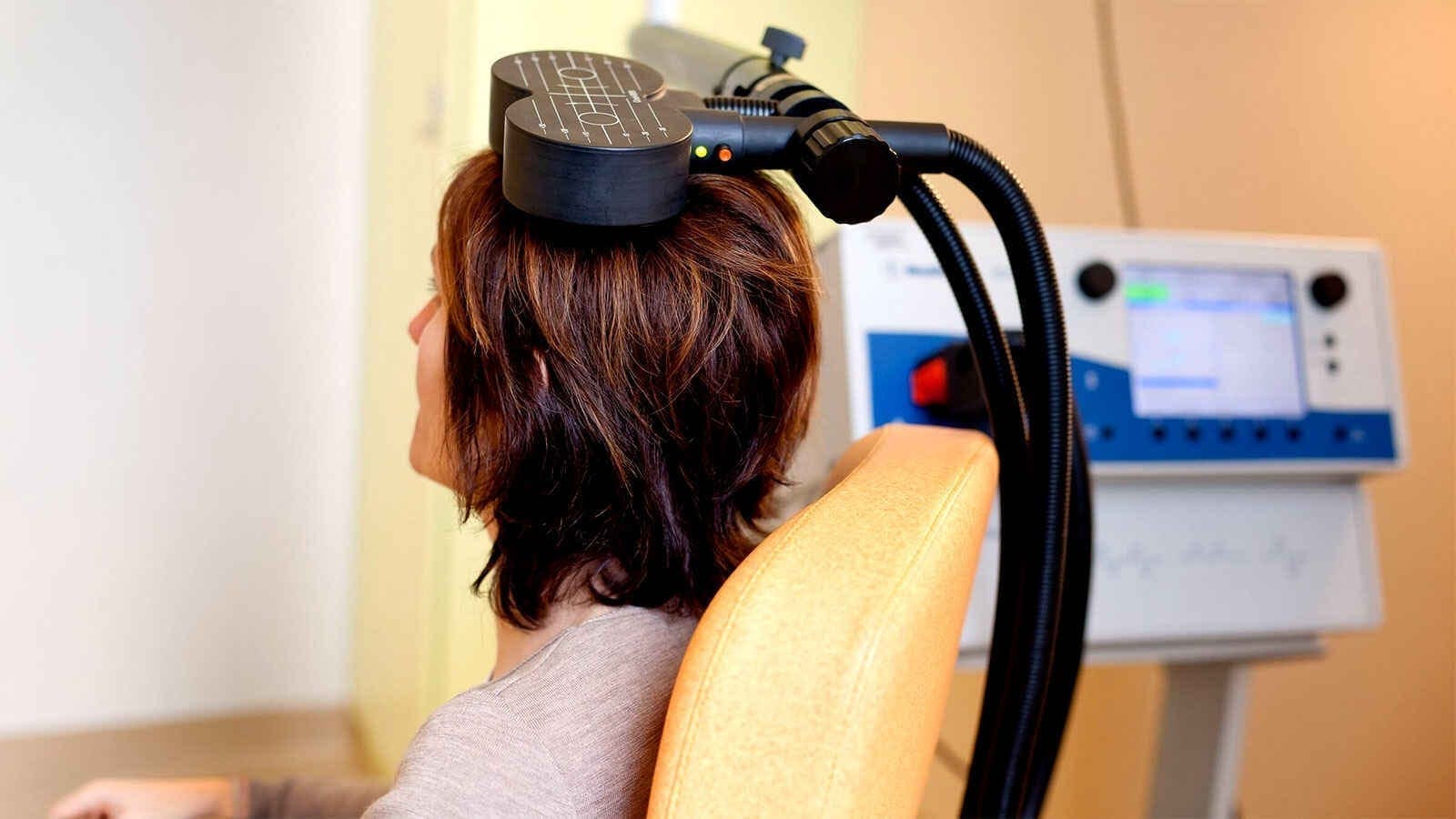
In major depression, the magnetic field applied to the brain’s left dorsolateral prefrontal cortex (DLPFC) through superficial and deep TMS treatment restores cortical blood flow and glucose and oxygen consumption, which have decreased due to depression, to normal levels. This is how the treatment produces its antidepressant effect.
Effectiveness of TMS treatment
The main brain areas showing notable changes after TMS treatment are the cerebral cortex, left anterior cingulate cortex, left insula, left superior temporal gyrus and right angular gyrus. Studies have found an association between increased volume in these regions and reduced depression severity.
In addition to these areas, deep TMS can reach the brain’s reward centre (nucleus accumbens) and the ventral tegmental area because it acts on a deeper and broader region. This difference from standard TMS (rTMS) makes deep TMS more effective in treating major depression.
Other treatments without medication
Other treatments without medication include psychotherapy (primarily cognitive behavioural therapy, schema therapy, family therapy, etc.), treatments that can be provided in an inpatient setting, such as electroconvulsive therapy for severe depressive episodes, suicidal thoughts or psychotic depression, or combinations of these treatments.
Research also shows that exercise and psychosocial interventions can be used as first-line treatments instead of medication for mild to moderate depression and are beneficial.