Depression is a serious mental health condition that affects millions of people worldwide, disrupting mood, thoughts, and daily functioning.
Depression typically presents with symptoms such as sadness, hopelessness, lack of energy, difficulty concentrating, and loss of interest.
Depression can be mild, moderate, or severe, and can significantly reduce quality of life if left untreated. So, can you recover completely from depression? The answer may vary depending on the person's condition and the treatment they receive.
The nature of depression and the risk of relapse
Depression can be a chronic or recurrent condition. For some people, depression may be limited to a single episode and resolve with appropriate treatment. For others, however, depression may continue in recurring episodes and require long-term management. Even when a person shows signs of full recovery after treatment, there is a risk that depression may return. For this reason, it is important to remain alert to the possibility of recurrence during and after treatment.
What are the most effective treatments for depression?
Effective treatment options are available to help people recover from and manage depression. Treatment is tailored to the person's needs, the severity of their depression, and other individual factors. The main treatment methods are:
- Psychotherapy (Talk Therapy): Psychotherapy is one of the most widely used treatments for depression. Cognitive behavioral therapy (CBT) in particular is highly effective in treating depression. This therapy helps people recognize and change negative thought patterns. Psychotherapy teaches people skills for coping with depression and may help prevent recurrent episodes.
- Medication: Antidepressants offer treatment that targets the biochemical causes of depression. These medications relieve symptoms of depression by regulating the balance of neurotransmitters such as serotonin, dopamine, and norepinephrine in the brain. Medication is generally recommended for moderate and severe depression. Medications usually begin to take effect within a few weeks, and it is important to take them regularly under a doctor's supervision.
- Lifestyle Changes: Lifestyle changes such as exercise, regular sleep, healthy eating, and stress management can speed up recovery from depression. Physical activity is known to help relieve symptoms of depression by increasing endorphin levels in the brain. Social support and engaging in hobbies and interests can also help people feel better.
- Mindfulness and Meditation: Mindfulness-based stress reduction techniques are among the effective approaches to treating depression. Mindfulness teaches people to live in the present moment and to accept and let go of negative thoughts. This may help prevent depression from recurring.
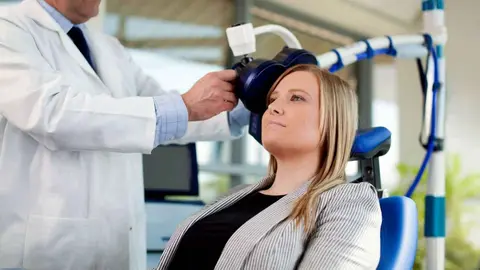
- TMS (Transcranial Magnetic Stimulation) and ECT (Electroconvulsive Therapy): Treatments such as TMS or ECT may be used for severe depression that does not respond to medication. TMS can relieve symptoms of depression by delivering magnetic pulses to specific areas of the brain. ECT is an effective method that treats depression through electrical stimulation, but it is generally used as a last resort.
Is full recovery from depression possible?
Depression is a treatable condition, but the concept of “full recovery” may vary from person to person. For many people, depression can be treated and symptoms can disappear completely. For some people, however, depression may become a chronic condition and recur from time to time. In this case, it is important to learn to live with depression and take the necessary steps to prevent relapses.
- The Recovery Process: During treatment for depression, people can gradually return to their previous level of functioning and improve their quality of life. However, recovery may not happen overnight and can take time. It is important to be patient, seek professional support, and make lifestyle changes during recovery.
- Preventing Relapse: Certain strategies should also be used after treatment to prevent depression from returning. Regular psychotherapy sessions, continued medication, stress management techniques, and maintaining healthy habits can reduce the risk of relapse.
What can you do to prevent depression from recurring?
After treatment for depression, certain strategies can be adopted to help prevent it from recurring:
- Continuing Regular Treatment: It is important to continue treatment even when you show signs of recovery. Stopping antidepressants early or taking a break from psychotherapy can cause depression to return.
- Stress Management: Stress is one of the main triggers of depression. Relaxation techniques such as yoga, meditation, and deep breathing exercises can be helpful in reducing stress.
- Strengthening Your Support System: Building a strong support system with family, friends, and your social circle is an important part of coping with depression. Seeking support from those around you and sharing your feelings instead of isolating yourself can prevent depression from recurring.
- Regular Physical Activity: Regular exercise is highly beneficial in both treating and preventing depression. Exercise improves mood by increasing happiness hormones in the brain.
- Establishing Healthy Sleep and Eating Habits: Getting enough good-quality sleep is critical to managing depression. A balanced, healthy diet also supports mental health.
What to keep in mind about depression
Although depression is a treatable illness, it can become chronic or recur in some people. However, appropriate treatments, psychotherapy, medication, lifestyle changes, and stress management can relieve symptoms of depression and even eliminate them completely. Since recovery is unique to each person, the treatment plan should also be tailored to the individual. Sticking to treatment, adopting healthy lifestyle habits, and seeking professional support when needed can contribute to full recovery from depression and help prevent it from returning.