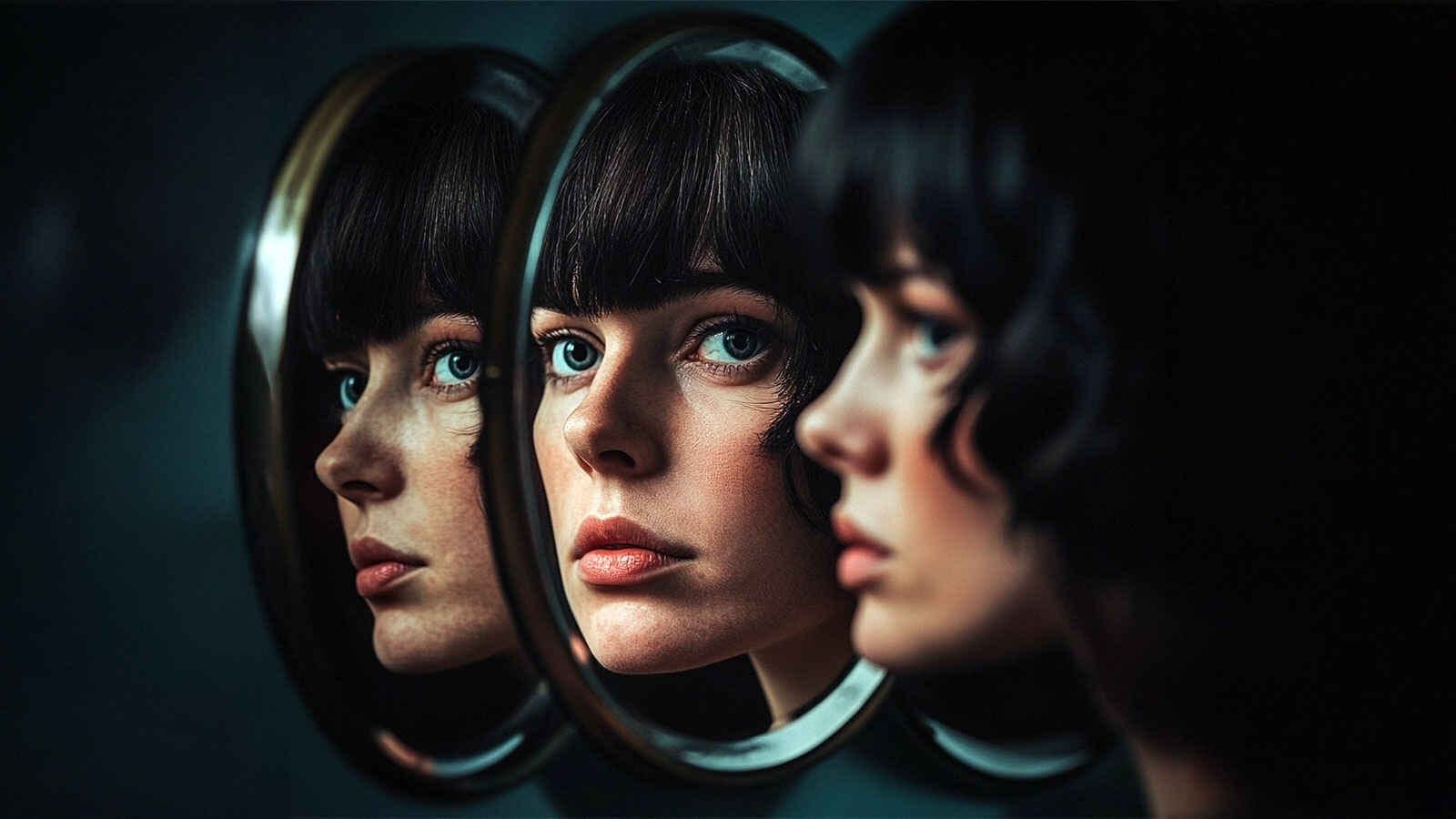
We live in an age when almost all of us are social media enthusiasts. On our screens and social media, we see posts overflowing with full-length photos of size-zero models and muscular men.
Symptoms of body image disorder
We see people, particularly in late adolescence and early adulthood, repeatedly visiting plastic surgeons with photos of Adriana Lima and Megan Fox in hand, making requests such as “I want these lips, and I want my chin to look like hers!”
Many people with body image disorder remain dissatisfied with the results even after cosmetic surgery. This is because the underlying problem is their distorted perception of their own bodies.
Causes of body dysmorphic disorder
In this condition, which we call body dysmorphic disorder, a person experiences excessive anxiety about and focuses intensely on a physical flaw that is either too slight for others to notice or imagined and does not actually exist.
This distorted perception significantly affects the person's social, family and work life and impairs their functioning.
Treatment of body dysmorphic disorder
The first step should be to consult a psychiatrist rather than a dermatologist, plastic surgeon or aesthetic physician; when these physicians suspect this diagnosis, the appropriate approach is to refer the patient to a mental health professional.